

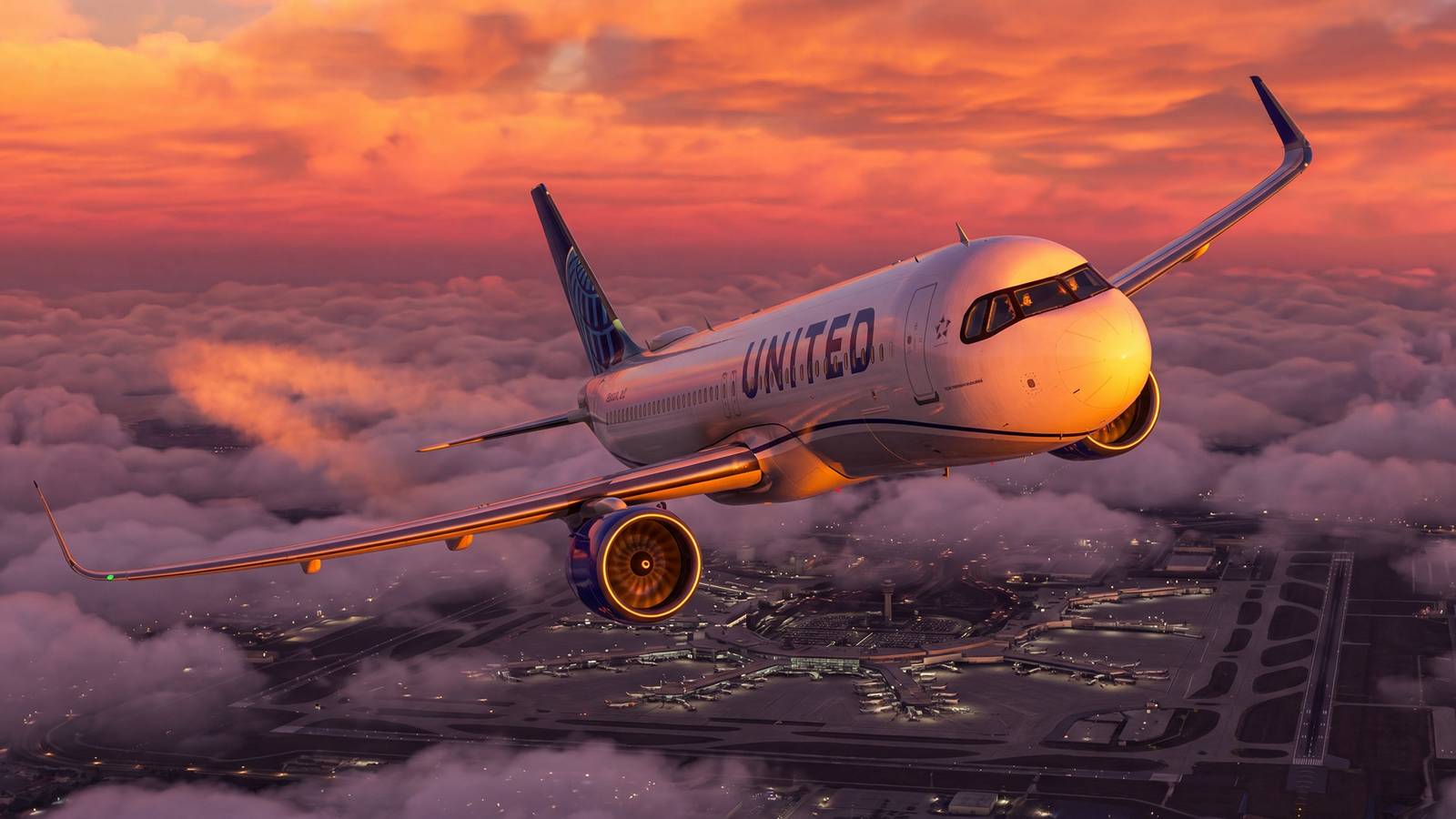
Major new concourses and phased taxiway closures will reshape Chicago operations while travelers face fewer nonstop options.
Journalist – Aaron is an aviation and travel journalist with 14 years of experience in the travel and tourism industry. His background spans airport operations, aviation infrastructure, and travel consulting, having worked with global organizations across New Zealand, Europe, and North America. Combining industry expertise with firsthand travel experience across more than 52 countries and five continents, Aaron covers airlines, airports, aviation policy, and the wider travel sector. He is based in Canterbury, New Zealand.
His work has been published in Simple Flying and featured by MSN, SAM CHUI Aviation & Travel, EIN News, Pakistan Defence, and Climate Depot.
One of United Airlines top executives has warned that the ongoing Federal Aviation Administration (FAA) flight caps at Chicago O'Hare International Airport (ORD) are likely to remain in place until the middle of the 2030s, as the multi-year ORDNext terminal expansion and airfield infrastructure project continues.
This sees the FAA currently preventing more than 2,700 daily takeoffs and landings to minimize the chances of severe congestion or flight delays. Recently, the FAA extended these limits through the end of October 2027, but United Chief Commercial Officer Andrew Nocella told CBS News Chicago that the caps could persist until ORDNext is completed in 2034.
With O'Hare the busiest airport in the world by flight departures (ahead of Hartsfield-Jackson Atlanta International Airport (ATL) being the largest by passengers served), these caps have forced both hometown airline United and Fort Worth-based American Airlines to scale back aggressive planned growth plans at the shared Chicago hub. As a result, United alone has paused up to 11 regional and international routes.
Reduced summer schedule expansion plan, freezing the turf war between both American and United
The hardest hit by these limitations, it suspended ten new regional Midwest services and an international route to Guadalajara.
Major projects at O'Hare include constructing two satellite concourses near Terminal 1 and fully renovating and overhauling Terminal 2. Combined, the full program is expected to cost more than $9.8 billion and will periodically take taxiways and gates out of service.
These prolonged infrastructure works have restricted airfield and gate capacity, and the FAA has placed regulatory constraints on airport operations as a result. Simple Flying reached out to the FAA, United, and American; however, only an American representative could be immediately reached for comment.
"American is committed to investing in Chicago and delivering a reliable experience for our customers at O'Hare and across our network. The FAA’s order has helped reduce the risk of congestion and disruption, creating a more predictable travel experience for customers and a more manageable operation for the teams who serve them."
The flight restrictions mean slot growth will be frozen at O'Hare, and travelers will face restricted flight choices on peak routes with limited seat availability. The capped movements at O'Hare forced United to cut 10% of all flight operations and suspend ten planned new regional routes serving the Midwest.
These constraints limit United's ambition to expand its operations at the Chicago airport to up to 1,000 daily flights, and American's plans to operate more than 500 daily flights. According to the Aviation Journal, these prolonged infrastructure upgrades will likely linger into the next decade while the upgrades are undertaken.
The FAA imposed these flight caps to protect operational stability at O'Hare but, as a result, limit long-term commercial growth at the busy airport. Passengers can expect fewer direct route options and higher ticket prices until the infrastructure program is completed over the next decade.
ORDNext is a multi-billion-dollar terminal modernization and expansion program that will boost O'Hare's gate capacity by up to 14%. The development is set to improve domestic-to-international connections while also upgrading general passenger amenities. A major component of the development is a new 580,000-square-foot (53,883 m2) concourse that will house 19 gates. The satellite concourse broke ground in August 2025 and is expected to become operational in late 2028.
Additionally, Concourse E will have additional gate capacity, with the first phase of this upgrade planned to begin this year. The new central terminal facilities in the O'Hare Global Terminal are expected to replace the existing ones, with construction for this part of the build expected between 2029 and 2033. The project also includes surrounding infrastructure, including underground tunnels, grade-separated roadways, and expanded stormwater management developments.
ORDNext is the largest terminal expansion in recent O'Hare history. Construction is already underway and is designed to elevate all parts of the O'Hare journey. The new facilities are expected to further fuel O'Hare as the city's economic engine and a global gateway for local and international airlines.