Luxury hotels that rely on long-haul, high spending guests have been hit by Middle East unrest while their budget and midscale counterparts have fared better with a broader mix of arrivals.
For skiers looking to reduce their carbon footprint, rail travel from the UK to the Alps has never been quicker or easier. Here’s how to get there Speeding effortlessly towards the slopes by train, you might wonder why you ever flew to a ski resort.
Travelers do not separate a connectivity failure from the rest of their trip. Airlines, hotels, platforms, and connectivity providers must build reliable access into the journey before AI raises the stakes.
PS has built one of the more defensible businesses in premium travel on a 90-minute window and nearly a decade of regulatory groundwork. For hotels, lounges, and clubs chasing the same customer, the lesson is that protecting a guest's attention can be worth more than monetizing it.
More aircraft, more destinations and more opportunities for agents – they’re all on the horizon. At Porter’s 20th anniversary bash, Travelweek sat down with President Kevin Jackson and CCO Eddy Eldebs to find out what's next for the airline.
One of many takeaway stats from yesterday’s Virtuoso On Tour: ADRs for Virtuoso preferred hotel partners hit a high of US$1,970 per night in June 2026.
Time Out's ranking for 2026 lists the most impressive bus, train and tram networks around the world - with Asia's state-of-the-art city networks faring particularly well.
NASA just gave us our best look yet at its Artemis III moon-lander test flight, which is scheduled to launch to Earth orbit next year. But a firm liftoff date has not yet been announced.
With 41% of travelers still price-checking after they book, the hotel and flight reservations are now only one part of a longer, more dynamic — and more provisional — process.
Malaysia’s 47 million target was out of reach before the haze arrived; the year-end damage now depends on whether travelers rule out more than the worst-hit areas.
On paper, Airbnb's exclusive short-term rental partnership with Amex Travel didn't change anything for Expedia because it wasn't supplying vacation rentals to Amex Travel. But Expedia's Vrbo has begun supplying vacation rentals to other B2B partners, and now the Airbnb deal blocks that potential expansion.
Amex Platinum adds Airbnb bookings and new lodging credits, but starting in 2027, all hotel credit redemptions will require stays of at least two nights.
Abra Group announced it will be the official sponsor of the ALTA AGM & Airline Leaders Forum 2027, the leading commercial aviation summit in Latin America
Airlines operating at Mumbai airport express opposition to unilateral reductions in flight slots planned for summer 2027. They demand data on airport capacity and Terminal 1 redevelopment details before changes are made.
Two Philippine Air Force trainer aircraft crashed during a training flight at an air base south of the capital Manila, killing four pilots, the military said on Saturday. The aviation accident on Friday involved two SF-260 aircraft during a training flight at the Fernando Air Base in Batangas provin
Odisha hoteliers urge 21-night tourism circuits, better connectivity and hospitality training to boost longer stays, jobs and foreign tourist arrivals.
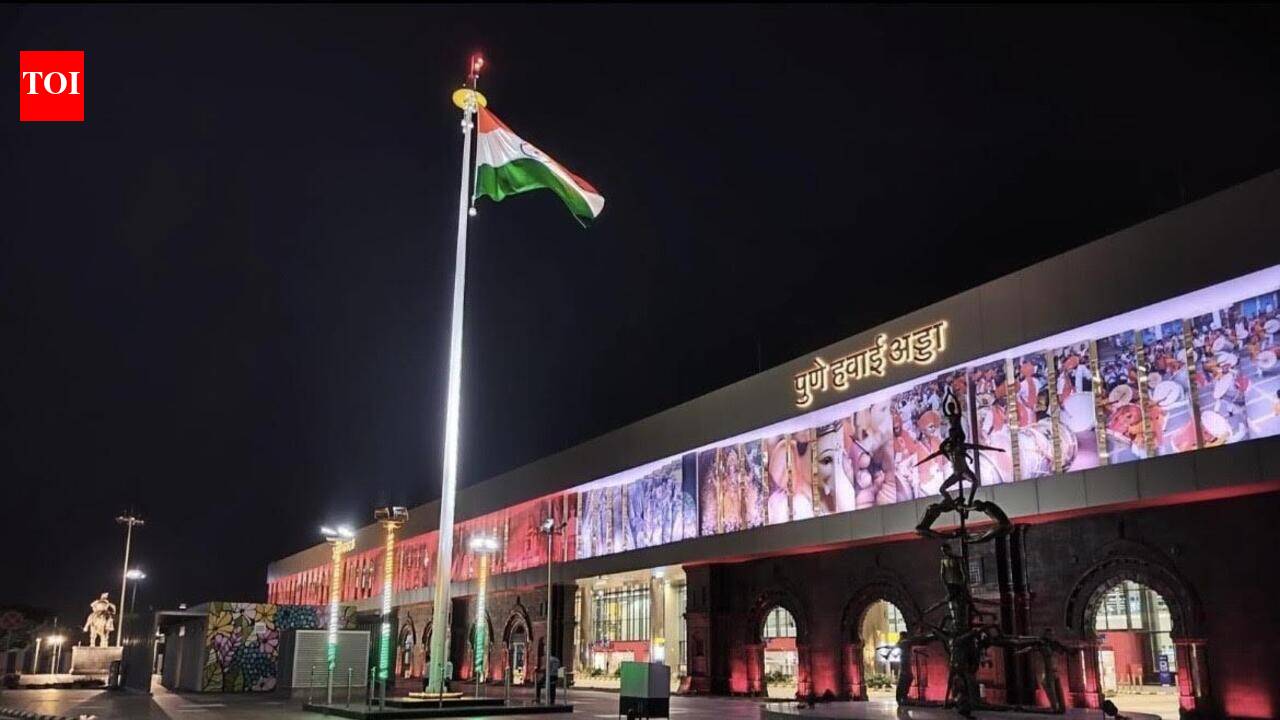
Pune airport’s winter schedule adds just one new domestic flight as airlines curb expansion amid high fuel costs, geopolitical risks and infrastructure constraints.
Luxury hotels that rely on long-haul, high spending guests have been hit by Middle East unrest while their budget and midscale counterparts have fared better with a broader mix of arrivals.
Hotel operators in the UAE are relying on travelers from short-haul markets such as India, China and Russia to support their recovery from the worst impacts of the U.S.-Iran war, as higher airfares continue to keep away some long-haul guests.
“We’re targeting short-haul markets like India, China, and Russia, that are a five- to six-hour flight away,” said Saurabh Tiwari, vice president for the Middle East, Maldives and Sri Lanka at IHCL, which operates the Taj brand. “Since jet fuel prices are more expensive than before, it is hard to expect people to come from long-haul markets like the Americas or Australia. Attracting visitors from long-haul [markets] is going to be wishful thinking.”
India has been IHCL’s most reliable source market through the crisis, Tiwari said, because of its accessibility and lower flight prices compared to long-haul destinations. At the same time, cheaper rooms are now making Dubai more affordable to travelers who previousl
Speeding effortlessly towards the slopes by train, you might wonder why you ever flew to a ski resort. On paper, it seems a short hop by plane; in reality, airport queues, cramped flights and long transfers can mean the journey eats up a whole day.
Measured door-to-door, daytime rail travel from London can be as fast as flying, while taking a sleeper train gets you extra time on the slopes. And with Alpine glaciers suffering significant loss of snow cover as global temperatures rise, rail travel constitutes the biggest emissions saving a skier can make.
An exciting recent development is the arrival of a dedicated sleeper train for skiers, the Travelski Night Express (TNE), launched last winter and with an additional new route for the coming one. Each carriage has couchette berths, but the train’s crowning glory is its large, speakeasy-cafe-bar-restaurant, with retro decor, soft lighting and music – you get the romance of overnight rail travel with the potential for two extra days’ skiing thrown in.
The TNE has two routes: one from Paris, the other from Amsterdam and Brussels, going out on Fridays and returning on Saturdays. Both routes access Moûtiers, Aime-la-Plagne and Bourg-Saint-Maurice – stations in the popular Tarentaise region of the French Alps. UK-based skiers can connect to the TNE by Eurostar to Paris or Brussels.
Overnight journeys to Austria are also possible, with a Eurostar to Paris or Brussels and then a Nightjet sleeper train to the Salzburgerland region; or, for Innsbruck and the Tirol, a Nightjet from Amsterdam and Cologne.
An array of resorts in France and beyond can be reached every day of the week by taking the Eurostar to Paris Nord, getting a taxi or the RER for the short transfer to Gare de Lyon, and from there catching a fast TGV train south.
The most direct daytime option is Eurostar’s flagship ski service, Eurostar Snow, which carries snowboards and skis free of charge on top of the usual luggage allowance. Skiers take it from London to Lille, then switch to an adjacent platform for the onward train to Bourg-Saint-Maurice.
Unfortunately, the final outbound departure for this coming season is on 20 February, leaving the ski industry frustrated. Eurostar’s explanation is that it needs to “deploy rolling stock to where it best meets customer demand. Historically, March has not always been the strongest period for Eurostar Snow.”
Iain Martin, founder of sustainable ski-travel campaign Ski Flight Free, says: “It’s ridiculous for Eurostar to curtail their flagship service and blame lack of demand. If Eurostar worked effectively with the ski industry and ski tour operators to market the train, they could sell it out many times over.”
Ski tour operators are certainly hungry for more train seats. “We’re keen on promoting rail travel to the French Alps and we know clients want this,” says Alison Willis, managing director of French ski specialist Peak Retreats. “While changing in Paris is straightforward, we know that direct services are an even more compelling alternative for those who usually fly. March ski holidays, with longer days and excellent conditions, are really popular. So, we’d welcome more direct rail options across as much of the ski season as possible.”
It’s a view echoed by ski tour operator Inghams, which has increased its range of rail-inclusive packages to include 75% of its French destinations, as well as some in Switzerland, Italy and Austria. “There’s a genuine appetite among skiers to travel to the mountains by train,” says head of sustainability Krissy Roe.
Here are 12 resorts you can reach easily by rail.
“The cradle of skiing”, St Anton is consistently ranked among the best resorts in the world. While its slopes are known for being challenging and exhilarating (the mighty Valluga being the pinnacle), there are plenty of gentler areas, too. St Anton isn’t just about skiing, either: this delightful village offers a host of activities, including swimming, bowling, indoor rock climbing and some of the best toboggan runs in the Alps.
Completing its ski-hard, party-hard image, the resort is renowned for its après-ski, with a long list of celebrated terraces where visitors can dance to live music while knocking back schnapps.
By train: 10h 30min Depart London St Pancras on the 07.31 Eurostar to Paris Gare du Nord; transfer to Paris Gare de Lyon and take the 12.22 TGV to Zurich; then the 16.40 Railjet to St Anton, arriving at 19.01.
Where to stay Ski Solutions offers seven nights at the Hotel Post from £1,870pp half-board, including return rail travel.
Comprising antique, chocolate-box chalets, Alpbach is perhaps the prettiest village on this list, with fantastic skiing to boot. Despite its low altitude, the resort’s north-facing slopes protect fresh powder, with the best off-piste and snowboarding terrain being on the far side of the Wiedersbergerhorn. Alpbach has gone to great lengths to preserve its rustic character. The main lifts are a short shuttle ride away from the village, and you’ll find gorgeous Tyrolean dishes at mountain hut restaurants such as Böglalm, torchlit walking trails, horse-drawn carriage rides and an Alpine coaster. Pick up a free Alpbachtal Card for access to local activities.
By train: 16h 49min Depart London St Pancras on the 15.04 Eurostar to Brussels-Midi; then catch the 18.25 ICE to Cologne; get on the 21.45 Nightjet to Jenbach, arriving at 08.53. From there, it’s 20 minutes by bus or taxi.
Where to stay STC Ski offers the four-star Hotel Alphof, with doubles from £955pp for seven nights’ half-board.
Sainte-Foy, the smallest resort on this list, is highly regarded among ski writers as a “hidden gem”. Just 25 minutes from Bourg-Saint-Maurice station, it has retained its cosy, quiet ambience, thanks to bigger nearby names drawing the crowds. Yet Sainte-Foy has truly excellent skiing: powder that lasts on its untracked, north-facing slopes, and fantastic provisions for children and beginners. Despite some development, the village has remained rustic, with traditional dishes served in 16th-century farmhouses and glasses of local rosé downed on sunny terraces.
The quiet pine woods are perfect for snowshoeing, while adrenaline junkies can try their hand at paragliding high above the Tarentaise.
By train: 7h 58min Eurostar Snow departs London St Pancras at 09.01 to Lille Europe; switch to the 11.35 Eurostar Snow continental train to Bourg-Saint-Maurice, arriving at 17.45. From there, it’s 25 minutes by bus or taxi.
Where to stay Premiere Neige offers seven nights’ self-catering in the three-bedroom Panorama apartment from €600pp, based on six people sharing.
Commanding spectacular views of the Tarentaise valley, La Rosière is as beautiful as it is convenient. Its position on the Franco-Italian border allows skiers to choose between south- and north-facing slopes (in neighbouring La Thuile), while its two core villages are relaxed and compact, in classic chalet style. La Rosière has kept up an excellent pace of development, exemplified by the new high-speed Petit-Bois chair, ensuring a high-quality experience all-round. Sledging is popular, including the new sunset toboggan run from the top of the Les Eucherts lift.
While fairly quiet, you’ll find some decent après-ski and DJ sets at Le Comptoir, too.
By train: 7h 44min Eurostar Snow departs London St Pancras at 09.01 to Lille Europe; switch to the 11.35 Eurostar Snow continental train to Bourg-Saint-Maurice, arriving at 17.45. From there, it’s 40 minutes by bus or taxi to the resort centre.
Where to stay Traditional chalet-hotel L’Accroche-Cœur has double rooms from €240 a night B&B.
Part of the famous Three Valleys, Les Menuires is one of the best value-for-money resorts in the Alps: 600km of piste but without the high price tag of Méribel or Courchevel. Unsurprisingly, it’s very popular with families who love the resort’s early-access ski patrol lessons with ESF Club Piou-Piou. Dining is similarly family-oriented: expect hearty, locally sourced Savoyard meals at restaurants such as Chez Pépé Nicolas. Finally, in March, Les Menuires hosts a seasonal silly slalom, Complètement à la Masse, open to all ages.
By train: 13h 5min Depart London St Pancras on the 17.31 Eurostar to Paris Gare du Nord; transfer to Paris Gare de Lyon and take the 22.52 Travelski Night Express to Moûtiers, arriving at 07.36. From there it’s 45 minutes by bus or taxi.
Where to stay Travelski offers seven nights at Hôtel Les Menuires Les Bruyères from £1,356pp B&B, including rail travel from Paris, transfers and seven-day ski pass. The Eurostar to Paris needs to be booked independently.
France’s oldest ski resort, Montgenèvre was the stomping ground of the Parisian set before British skiers started arriving in the 90s, attracted by its bargain prices and easy access to Italy. Pleasantly old world and fully pedestrianised, “Monty” is the ideal family resort, with an extensive beginners’ zone and affordable accommodation. Intermediates will enjoy the network of red and blue runs, while experts can plough through off-piste powder in the Gondrans bowl and off the Col de l’Alpet.
Over the past year, the resort has extensively redeveloped its lift system to dramatically improve speed and ease – in time for hosting the 2030 Winter Olympics.
By train: 8h 20min Depart London St Pancras on the 08.01 Eurostar to Paris Gare du Nord; transfer to Paris Gare de Lyon and take the 12.46 TGV to arrive at Oulx at 17.21. From there it’s 35 minutes by bus or taxi.
Where to stay Peak Retreats offers seven nights B&B in a suite in Hôtel Anova from £1,046pp, including rail travel, based on four sharing.
Peisey-Vallandry occupies a prime position between Les Arcs and La Plagne, connecting to both via the immense Paradiski domain. Its sunny, west-facing piste offers something fo
A traveler lands in a new country and reaches for a phone. The boarding pass, hotel address, ride-hailing app, maps, payment tools, and messages all live there, and every one of them assumes a working connection.
Without a reliable connection, even routine parts of the journey can become challenging. A hotel may lose contact with an arriving guest, a ride-hailing service may be unable to connect a passenger with a driver, and an airline’s digital services may become inaccessible at a critical moment.
That was the central challenge that Richard Trinder, senior director of strategic partnerships at Holafly, an travel eSIM provider, discussed with Dan Marcec, intelligence editor at Skift, at Skift Global Forum 2026. No single travel company controls the entire journey, yet a connectivity failure can affect the experience travelers associate with every brand involved. For Trinder, addressing that vulnerability requires closer partnerships and making connectivity part of the travel experience from the outset.
“The smartphone has increasingly become the control center of our lives,” Trinder said. It holds boarding passes, payment tools, maps, messages, and, increasingly, digital identity documents. When the phone cannot connect, much of the trip can become inaccessible at once. With a boarding pass on the phone, he said, losing connectivity is “a crisis.”
The growing dependence on smartphones has also changed travelers’ expectations. Trinder pointed out that consumers have spent decades getting accustomed to seamless, on-demand digital experiences. They now expect the same reliability when traveling, even as they move between countries, networks, and service providers.
Those transitions are particularly vulnerable. Trinder highlighted international border crossings, where changes in connectivity zones can interrupt service, and airport Wi-Fi, which can be patchy, insecure, and susceptible to cyberattacks. The consequences become more serious when travelers need to retrieve information or communicate during a disruption.
As Marcec pointed out, a hotel has no control over an airport’s connectivity failure, but it still faces the consequences when a guest cannot communicate with the hotel. Trinder warned that these breakdowns can affect customer satisfaction, brand perception, loyalty, and the likelihood of a repeat purchase.
Marcec compared connectivity to basic hotel amenities like clean water and air conditioning: Travelers expect them to work and only notice when they don’t. Trinder agreed that connectivity has become a basic need, “just like the air we breathe and the water we drink.”
At Holafly, that thinking informs a company-wide emphasis on traveler peace of mind. He described it as providing travelers with a sense of confidence, security, and safety by anticipating connectivity issues before they arise.
The stakes can be personal as well as practical. Trinder described a business traveler facing a deadline or someone who needs to reach family with an urgent message. In either case, the inability to connect can turn an already stressful situation into something more serious.
His argument was that travel companies should make every effort to pre-empt these moments rather than leave customers to solve connectivity problems themselves. A relatively small part of the overall travel purchase can have a disproportionate effect on the experience when something goes wrong.
Delivering that peace of mind requires coordination across companies that may otherwise have little to do with one another. Airlines, hotels, booking platforms, and connectivity providers each control different parts of the experience, while travelers increasingly expect those services to work together.
Marcec connected the discussion to a broader theme at Skift Global Forum: Travel companies, including Uber and Airbnb, are looking for ways to take greater ownership of the customer experience. But even as companies expand their reach, they remain dependent on services outside their control.
“No one travel provider or travel company in this room owns the journey end-to-end completely,” Trinder said. “We have to partner up.”
For Holafly, that means changing how connectivity is sold and delivered. Rather than treating an eSIM as a separate purchase, Trinder wants travel brands to incorporate connectivity directly into their booking processes and digital services.
“We’re trying to move away from a reseller or vendor mentality and absolutely integrate it into the buying flow of how a journey happens,” he said.
Through application programming interfaces and software development kits, connectivity can sit within a partner’s app and purchasing flow rather than appearing as a separate product later. The case for doing so is practical: brands have already invested in their apps, and they don’t get the full value from them when a connection breaks.
Trinder pointed to maritime travel as one opportunity for this approach. Passengers at sea can move between connectivity zones or experience service blackouts, creating challenges that a travel provider may struggle to address alone. With coverage across more than 200 destinations, Holafly sees opportunities to work with global travel companies to reduce those interruptions.
But Trinder emphasized that technical integration alone will not solve the problem. He pointed to joint business plans as a way for companies to agree on shared objectives, responsibilities, and measures of success. Those measures can include ancillary revenue and other economic benefits alongside improvements to the traveler experience.
Want to bookmark your favourite articles and stories to read or reference later? Start your Independent Membership today.
Travellers will gain stronger passenger rights in Europe next year as new EU rules require faster refunds on cancelled flights and free plane seats for companions.
The European Union (EU) Parliament gave the green light on Tuesday, 20 October, to update rules that will strengthen the protection of passenger rights across all modes of transport.
EU passenger rights rules apply to any passenger travelling by air, rail, ship, bus and coach across the EU, regardless of their nationality or citizenship.
The Parliament voted almost unanimously in favour (652 votes) of the regulation, with two votes against and eight abstentions.
The updated rules will take effect from 23 October 2027 after the European Council formally approves the regulation.
The new rules tighten the time limit for travellers to receive refunds on cancelled flights booked through intermediaries, such as a travel agent or a booking platform.
Passengers are now entitled to receive a full refund, including intermediary fees, within 14 days of their flight being cancelled.
The airline must transfer the payment to the intermediary within a maximum of seven days, and the intermediary must transfer it to the passenger within a further seven days.
Intermediaries must also make it clear to passengers at the time of booking how the reimbursement arrangements work.
If passengers book directly with an airline, they should receive a refund within seven days, although this rule has long been in place, whereas the updated rules relate specifically to intermediary bookings.
Under the new rules, the EU has also made it clearer and easier for passengers to submit claims for reimbursement or compensation by using a standardised form.
The form will be available on the European Commission’s website in all languages and for all types of travel, or carriers can provide an equivalent form.
The third update centred around improved rights for vulnerable passengers.
People with disabilities or reduced mobility can now bring an accompanying person on a flight free of charge “if their presence is necessary”.
This is already the case for travel by bus, train or ship, but airlines will now have to implement this rule.
The final new regulation relates to enforcing passenger rights rules. The EU said national authorities will be given enhanced powers for investigating possible breaches of passenger rights.
They will be able to proactively initiate audits, inspections or interviews of carriers, not only after receiving passenger complaints.
Italian MEP and member of the Committee on Transport and Tourism Matteo Ricci said this regulation is “prioritising the rights of our citizens over the profits of airlines”.
He added: “Travelling is part of our lives. Whether we catch a train to work, a bus for a trip, a plane to return home, or a ferry for holiday, we all share these journeys as passengers. This legislation will improve the protection these travellers receive.”
Read more: Cancelled or delayed flights – what are my rights to a refund?
Join thought-provoking conversations, follow other Independent readers and see their replies
LYVGO Atlas illustration — original artwork, not publisher photography.
Most widely reported
1
Four Philippine Air Force pilots killed after two trainer aircrafts crash in Batangas province
hindustantimes.com
2 outlets reporting
2
American Airlines Flight Attendant Retires at 83 After More Than 63 Years in the Sky
thebulkheadseat.com
2 outlets reporting
3
Chennai airport ATF tax cut to 16% from 29%; rate slashed to 1% for other TN airports
thehindubusinessline.com
2 outlets reporting
Every item above is summarised from the source named beside it.
UAE Hotels Lean On Short-Haul Markets To Drive Recovery
Confirmed
Luxury hotels that rely on long-haul, high spending guests have been hit by Middle East unrest while their budget and midscale counterparts have fared better with a broader mix of arrivals.
Not yet confirmed
Reported by one outlet so far — not yet corroborated by another.
Today's list
Airport Time-Savers Most Travellers Still Miss
Navigating airports can be a daunting task, but there are several time-saving tips that can make your travel experience smoother and less stressful. From simple habits to clever tools, here are seven airport time-savers that you might not know about.
1
Packing Light
By avoiding checked baggage fees and reducing the time spent at security checkpoints, packing light can save you around 30 minutes per flight. It also means less stress and fewer lost items.
2
Airport Apps
Download airport apps like Airport Guide or TripIt to access maps, flight information, and real-time updates, making it easier to navigate the airport and find your gate.
3
TSA Pre-Check
Enroll in TSA Pre-Check to speed through security checkpoints and avoid long lines, saving you around 15 minutes per flight.
4
Power Banks
Keep your devices charged with portable power banks, which can be easily stowed in your carry-on bag and provide a quick top-up when needed.
5
Travel Wallets
Invest in a travel wallet or passport holder to keep your documents and valuables organized and easily accessible, saving you time and stress.
6
Airport Lounges
Take advantage of airport lounges to relax, work, or grab a bite to eat before your flight, often for a fraction of the cost of a traditional lounge.
7
Flight Alerts
Set up flight alerts on your phone to receive notifications about flight delays, cancellations, or changes, helping you stay informed and adapt to any travel disruptions.
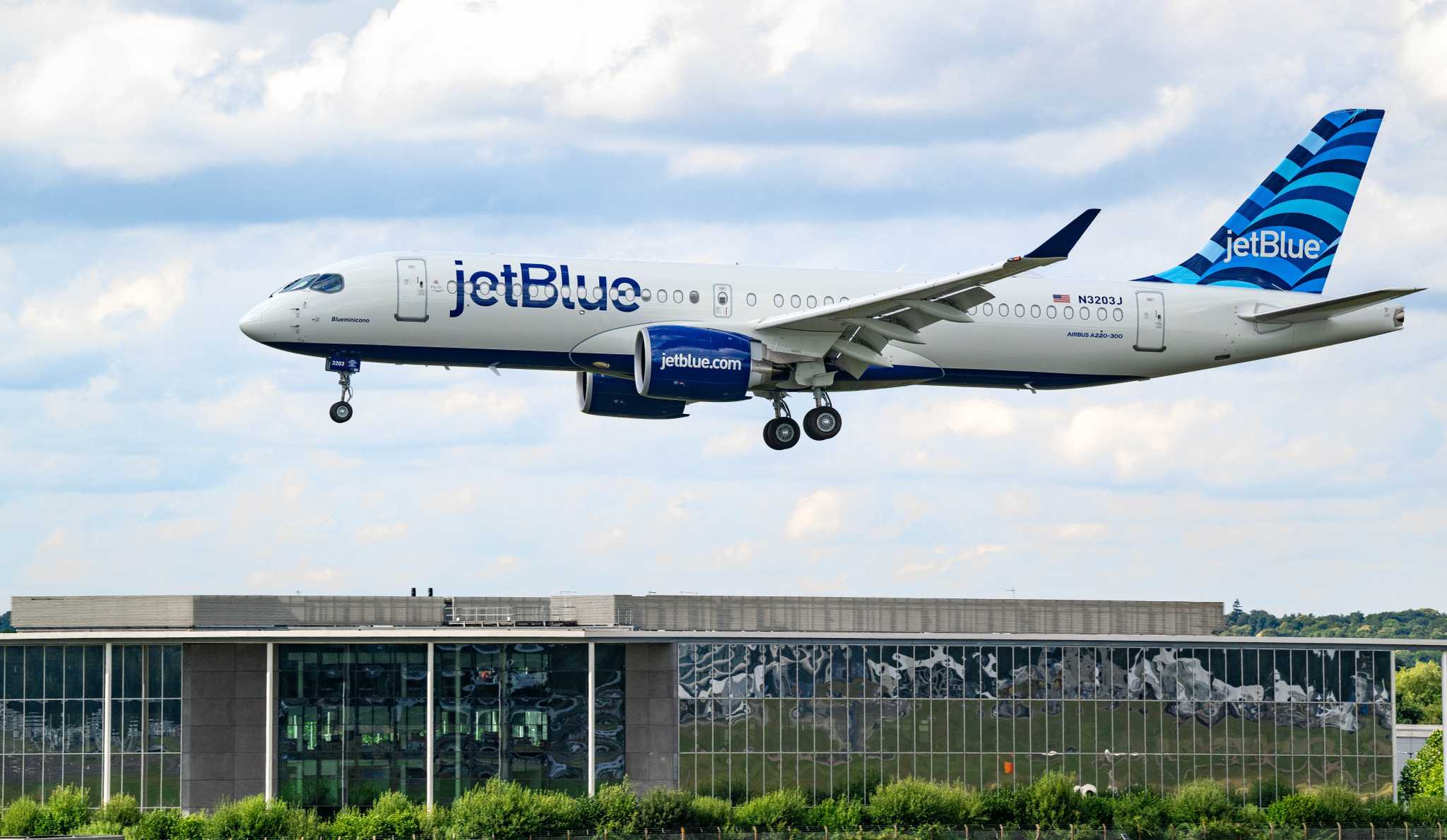
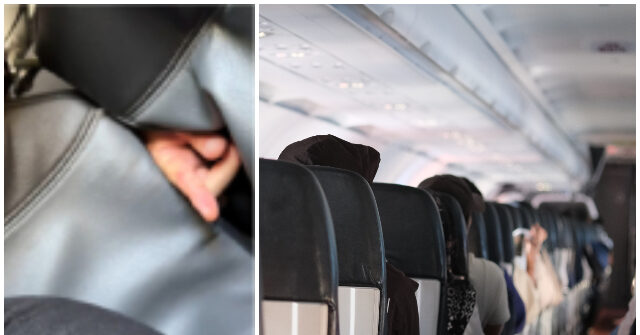
A Massachusetts jury convicted a suburban Boston dad of repeatedly fondling a teenage girl aboard a JetBlue flight, committing the shocking act while on the airliner with his wife and four children.
After a three-day trial Jonathan Alan Lefman, 48, was found guilty of sexually abusing the 17-year-old girl seated in front of him on a Boston-bound flight from Puerto Rico in August of 2024, the U.S. Attorney’s Office in Massachusetts announced Thursday. The FBI posted photos of the defendant’s hand poking through the girl’s seat around the time of the deviant offense.
What happened
Lefman was sitting next to his 16-year-old son when he probed the seat in front of him to touch the girl’s buttocks without her permission, prosecutors said.
The detail
A U.
The wider picture
Specifically, it is alleged that Lefman intentionally worked his hand in between and through the area between the back and bottom of the seat directly in front of him, where the minor victim was seated, and touched the minor victim’s buttocks without her permission. On at least one occasion when he did so, the minor victim saw his reflection leaning between the seats in the seatback monitor in front of her.
Local impactFollow how this story develops and what it means for you.
Source: Man Convicted of Groping Teen Through the Seat on Boston Flight (breitbart.com) · Oct 23, 2026
What to do next
Read more about this topic on LYVGO.
See related stories from the same desk.
Follow this developing story for the latest updates.
Comments
UAE Hotels Lean On Short-Haul Markets To Drive Recovery | LYVGO






































Comments