United Airlines will exit Tulum International Airport in January, the latest blow for the new terminal. But the carrier is adding two more San Francisco routes.
Thailand’s arrivals outlook has weakened, but new rooms and flights are still coming. The test is whether resilient luxury demand and new source markets can deliver the returns that investors want.
Dubai’s airport is busy, but the long-haul airlines that fill its luxury hotels are mostly staying out until spring. Hotels organizing around a European winter rebound need to plan for a later one.
Knowing when to apply for a card is important so you can get the most rewards possible for your spending. Here's a deep dive into Chase's United Airlines cards.
Istanbul Airport handled an average of 1,491 arriving and departing flights a day during Oct. 19-25, making it Europe’s busiest airport, according to EUROCONTROL.
The collision involving a Robinson R22 and an Airbus helicopter occurred on Thursday afternoon, with both aircraft crashing in a field adjacent to a highway.
When hotel giants keep stacking sub-brands and “brands of brands,” they eventually run out of words. Expect more naming collisions as the industry’s label factory keeps humming.
The Federal Trade Commission is looking into whether airlines are using personalized pricing tactics. It's not the first time these concerns have bubbled up.
From a four-month delay in Northern Ireland two years ago to a shock suspension in Cambodia – Amelia Neath delves into the story of the ‘never-ending cruise’ that may have been forced to come to an end
Sustainability is increasingly tied to hotel performance, from operating costs and asset value to guest experience and talent. Accor’s Coline Pont explains how the company’s new Hosting Change strategy aims to turn those connections into measurable value.
Learn how to earn an IHG annual lounge membership through Milestone Rewards, which hotels offer lounge access and whether the benefit is worth choosing.
The firefighting helicopter that crashed in Yosemite last month had problems with its water bucket during an earlier flight, according to a preliminary National Transportation Safety Board report.
JAKARTA, Indonesia, Oct. 30, 2026 /PRNewswire/ -- Archipelago Hotels, the largest privately owned hotel management group in Indonesia and Southeast Asia, provides Muslim-friendly services across 13 priority provinces identified in the Indonesia Muslim Travel …
Shenzhen Metro Group has emerged over recent years as an increasingly active player in the development of metro, light rail and suburban projects across a swathe of emerging markets, from Algeria to Vietnam, as Benjámin Zelki explains. Embracing the expansionist ideals of China’s Belt & Road initiative, Shenzhen Metro Group Co and its partners in…
Ten nights in the Caribbean with direct flights included, for a fraction of what a glossy resort would cost! Head to St Lucia from £955 with this DIY deal.
Mega-carriers in the Middle East such as Emirates, Etihad, and Qatar Airways are known for their incredibly strict uniform and grooming standards. When a group of cabin crew from one of these airlines walks through an airport terminal, heads turn as passenger…
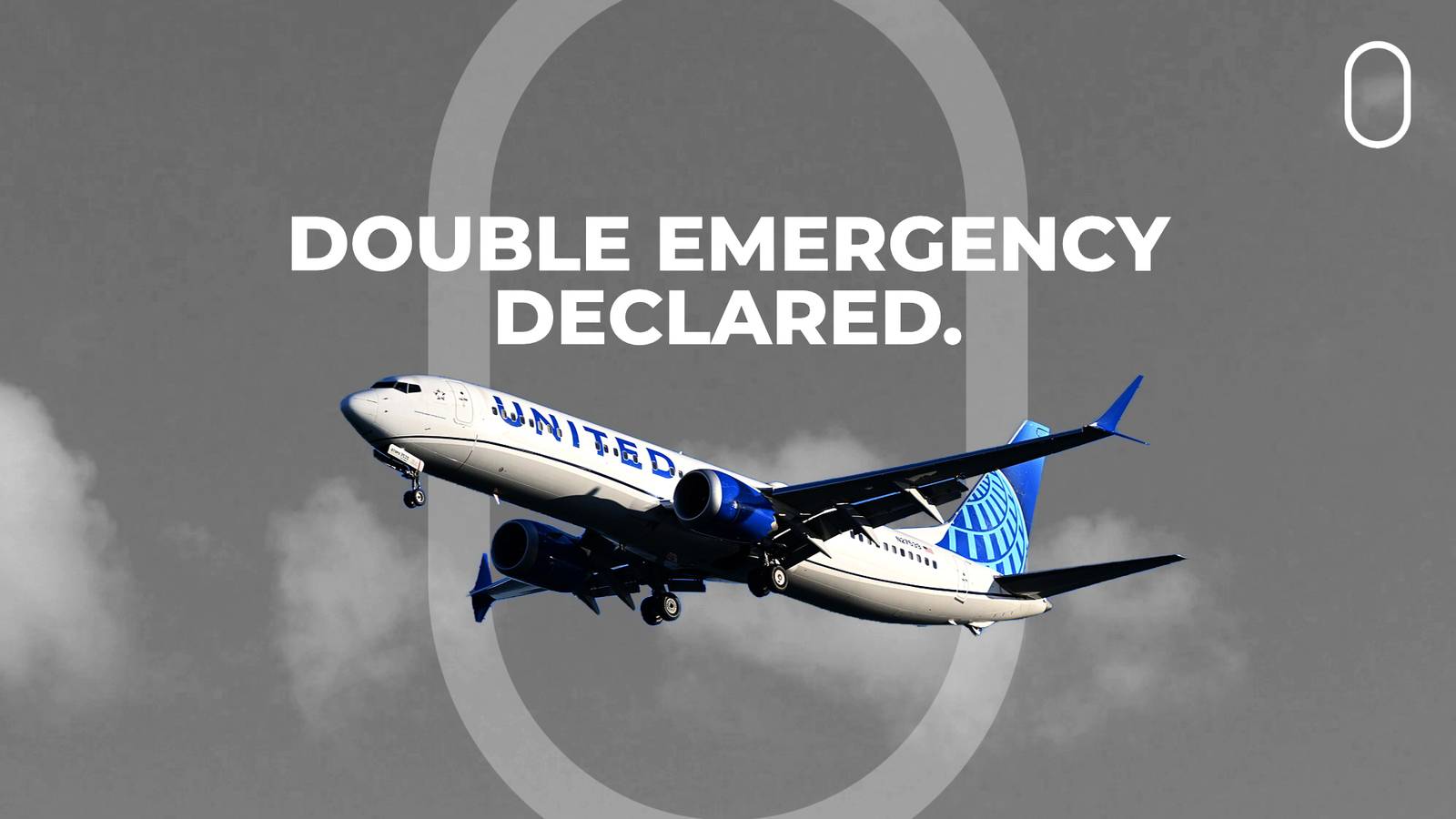
A recent United Airlines flight from the Cayman Islands to Texas faced a double emergency onboard when the Boeing 737 MAX 9 had issues with its landing gear deploying. This then led to the burning of excess fuel, and the pilots reported that they had just 10 to 12 minutes of fuel left.
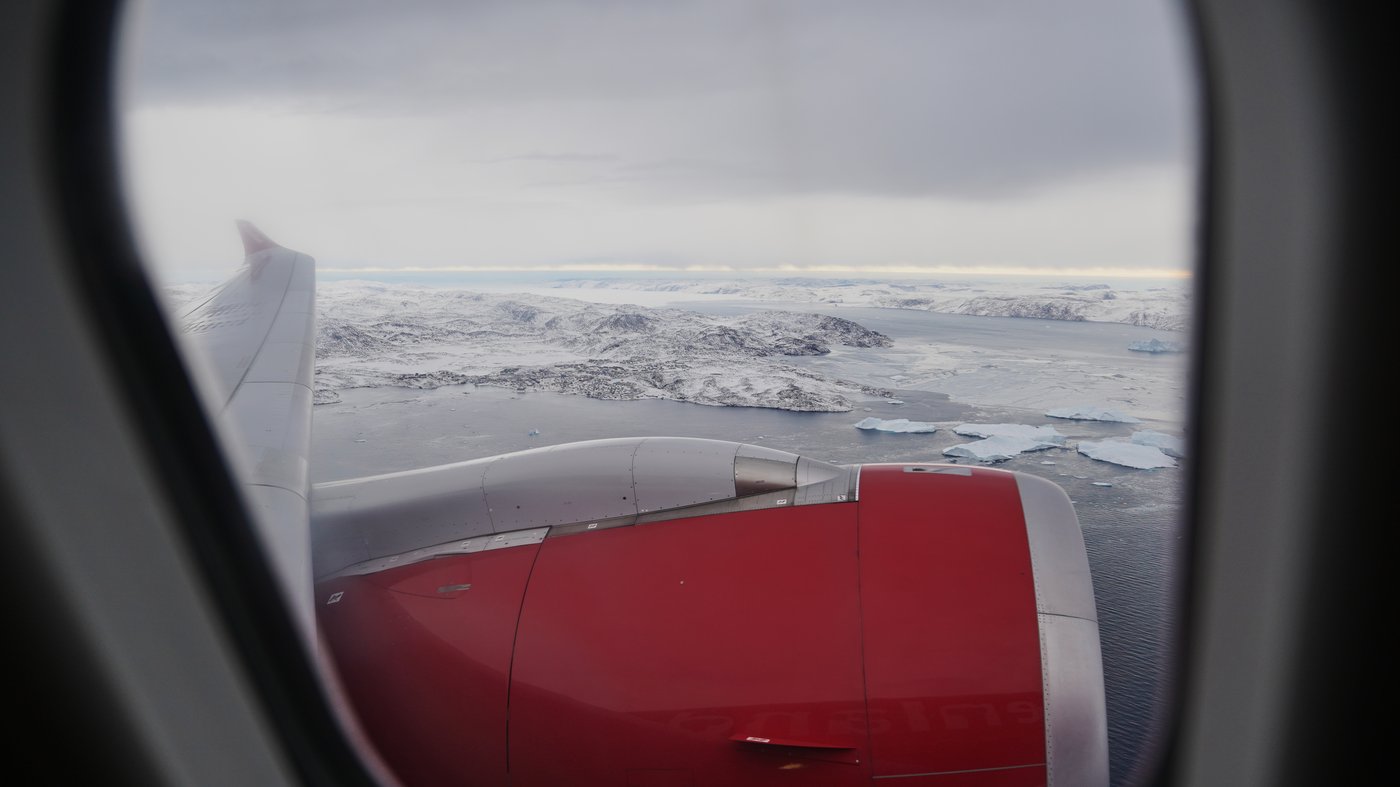
ILULISSAT, Greenland (AP) — Greenland has opened a new international airport, seeking to lure visitors from around the world as the Arctic island looks toward
This is a brand-new 5-star hotel in Punta Cana with direct flights and a full week of all-inclusive bundled together, and a swim-up room to boot, from £1,079. Adding the swim-up room only cost an extar £80, so honestly, it would be rude not to!Picture gliding…
The proposed council will bring together tourism experts, travel and tour operators, hotel and resort managers, hospitality professionals and other stakeholders from both countries
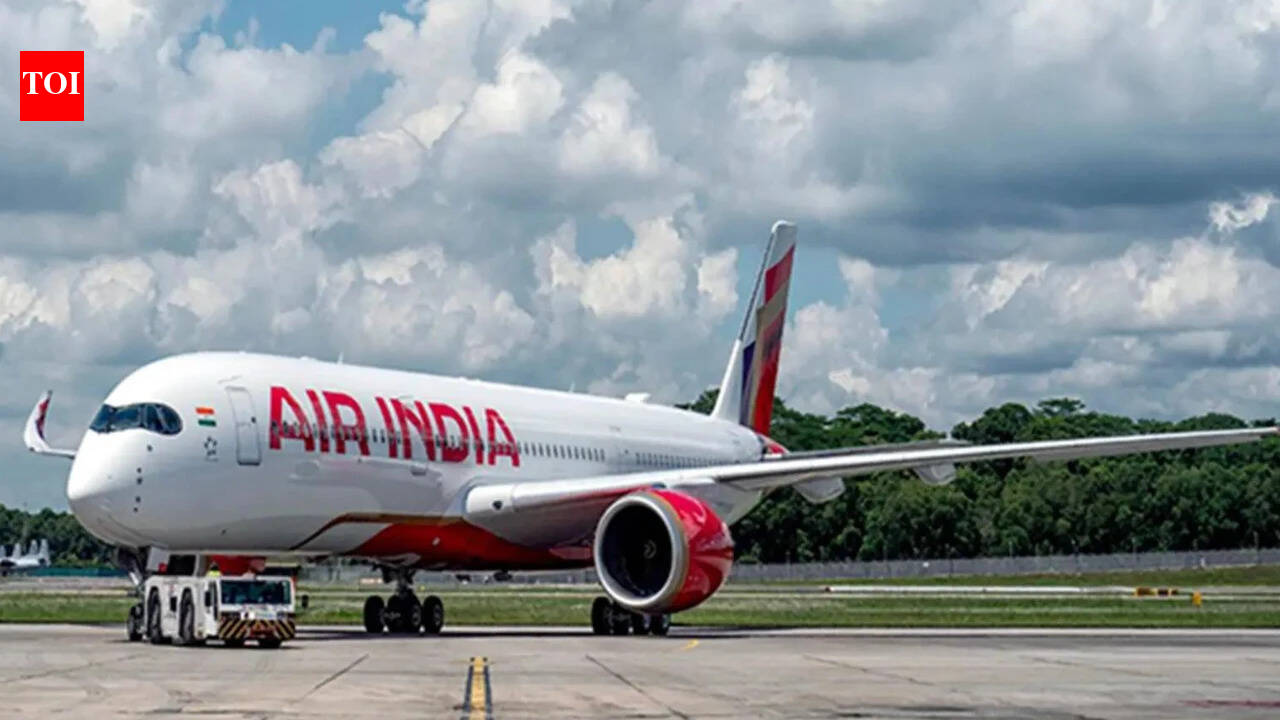
Air India and Air India Express have announced the extension of flight suspensions to Saudi Arabia until November 14. IndiGo and Akasa Air have also cancelled flights to various cities in Saudi Arabia until mid-November.
A consumer commission in Kerala has directed Air India Express to pay Rs 70,000 to a woman and her three-year-old son after they were denied boarding on a confirmed Kochi-Abu Dhabi flight in 2021. The airline must also refund Rs 20,287 with 9% interest after …
Oct 30 : People who travel across many time zones, like a trip from London to Tokyo, may experience jet lag, with the body's internal 24-hour clock — the circadian rhythm — thrown out of sync with the local time at the arrival location. A new study shows that…
Three nights in Dublin with flights and breakfast thrown in for £145 sounds almost too good to be true.But here it is: a 4-star stay at the Maldron Hotel Parnell Square, perfectly placed for wandering into Temple Bar for a pint of Guinness or browsing the Chr…
The Hotel Cais da Oliveira sits right on the water, with the kind of views that make you forget your phone exists.This 4-star stay pairs five nights with flights for under £300 -- hard to argue with when Madeira is busy serving up December sunshine while the …
Hyatt Hotels Corporation has signed agreements with Saraca Hotels & Resorts to introduce four new hotels in India. This partnership will expand Hyatt's brand presence in Uttar Pradesh and Uttarakhand.
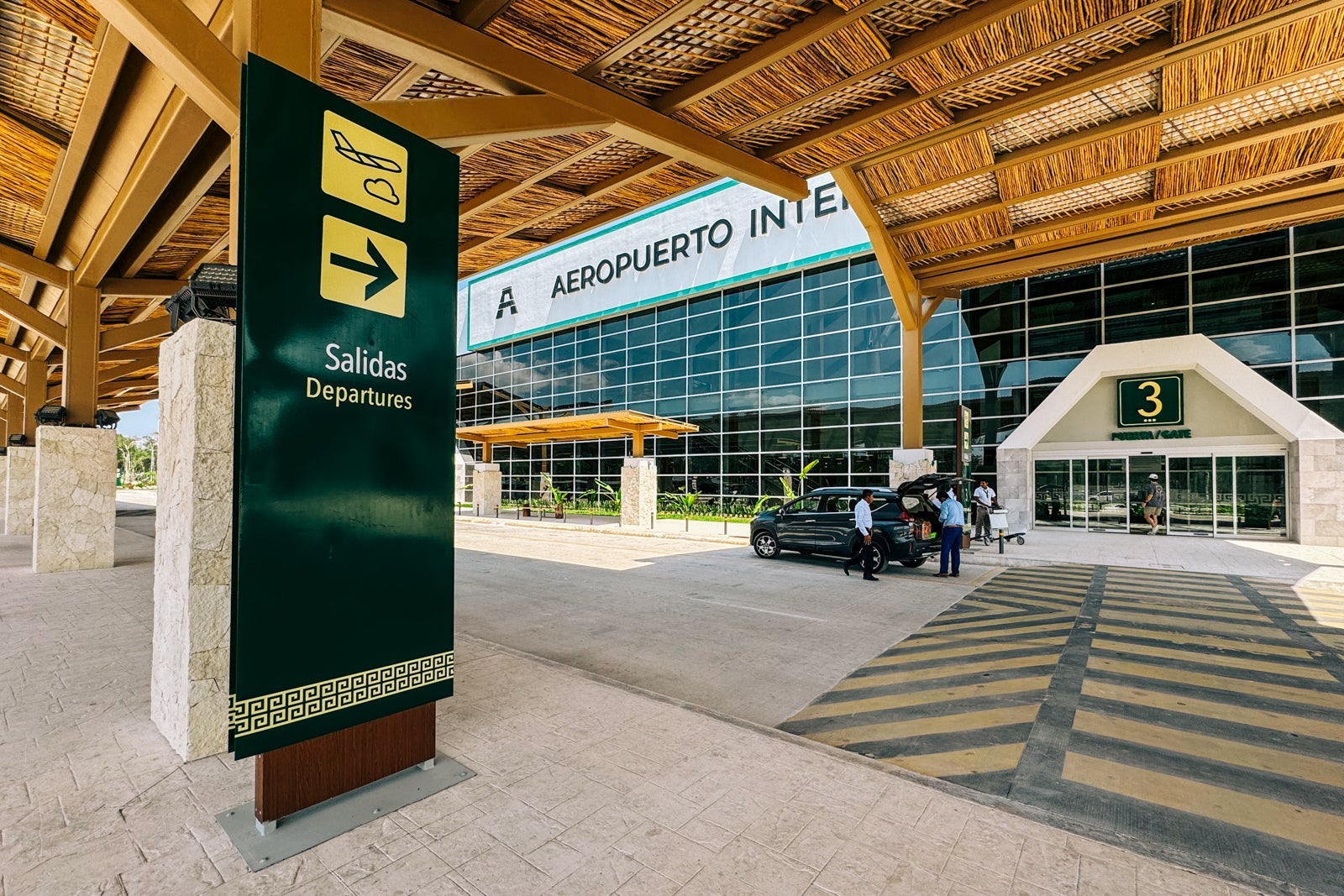
It has been less than three years since Mexico’s newest airport in Tulum welcomed passengers for the very first time.
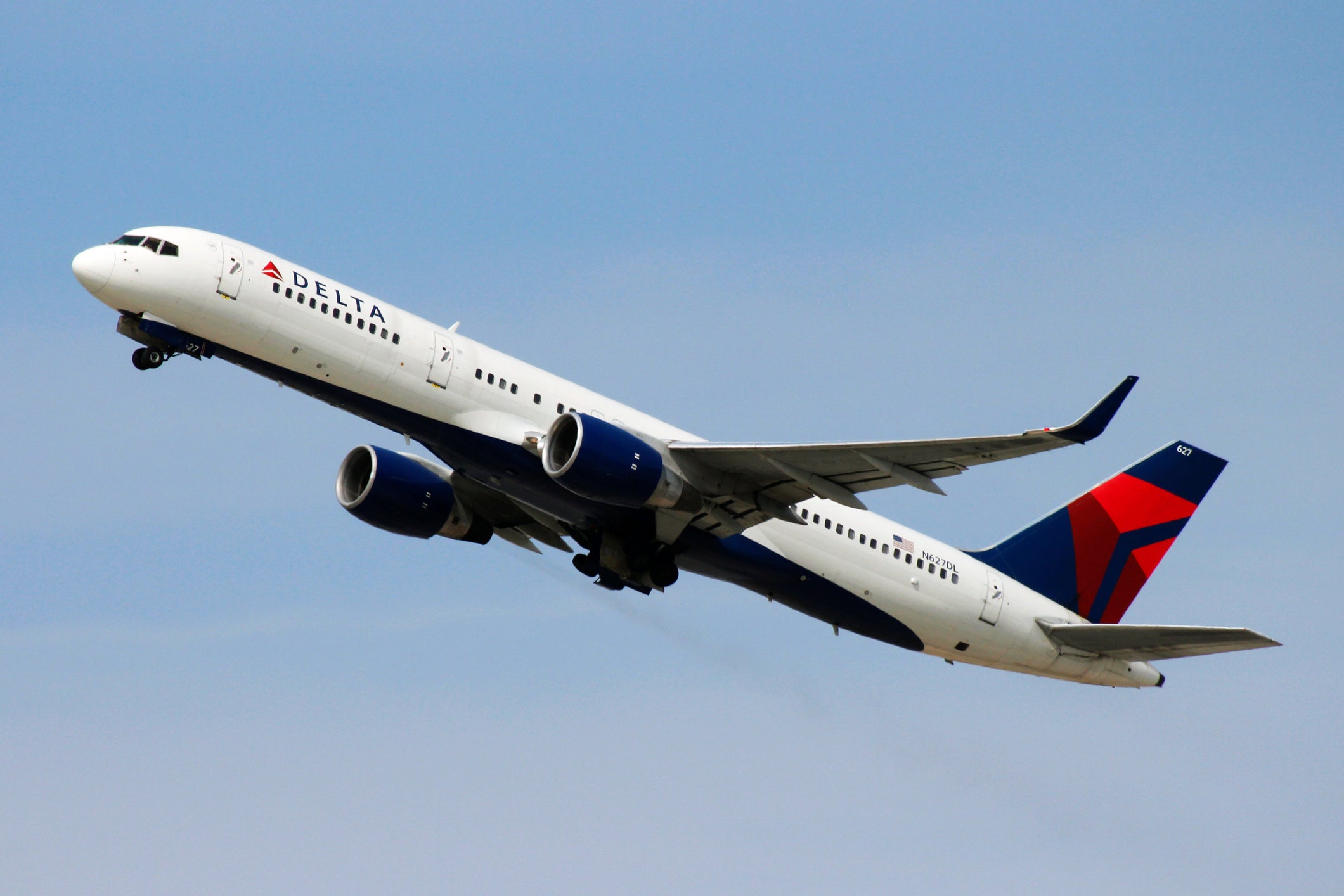
The carrier on Friday confirmed it will end all service to Tulum International Airport (TQO) just after the holidays.
The news was first spotted by Ishrion Aviation.
In a statement, United said it makes “regular adjustments” to its flight schedule “based on seasonality, demand and other market factors.”
It’s not the first carrier to have second thoughts on Tulum.
The brand-new airport first welcomed international guests in March 2024, and airlines quickly added flights from major U.S. hubs.
The airport was billed as a more convenient link to Tulum’s resorts versus Cancun International Airport (CUN), which sits more than two hours to the north by car.
But within months, carriers started slashing service, citing disappointing demand.
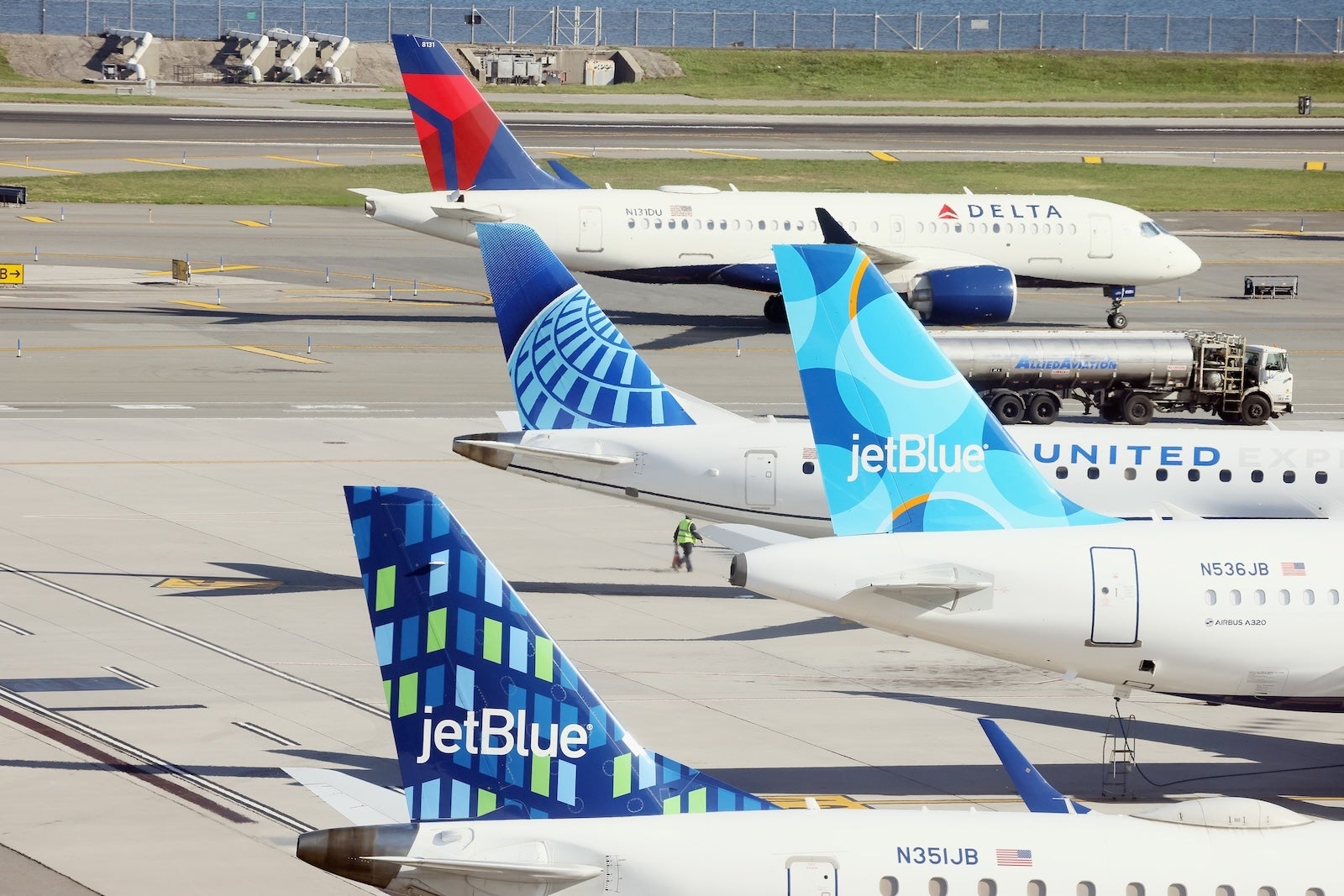
Delta this winter will offer flights to Tulum only from Atlanta. It previously had routes from Detroit and Minneapolis.
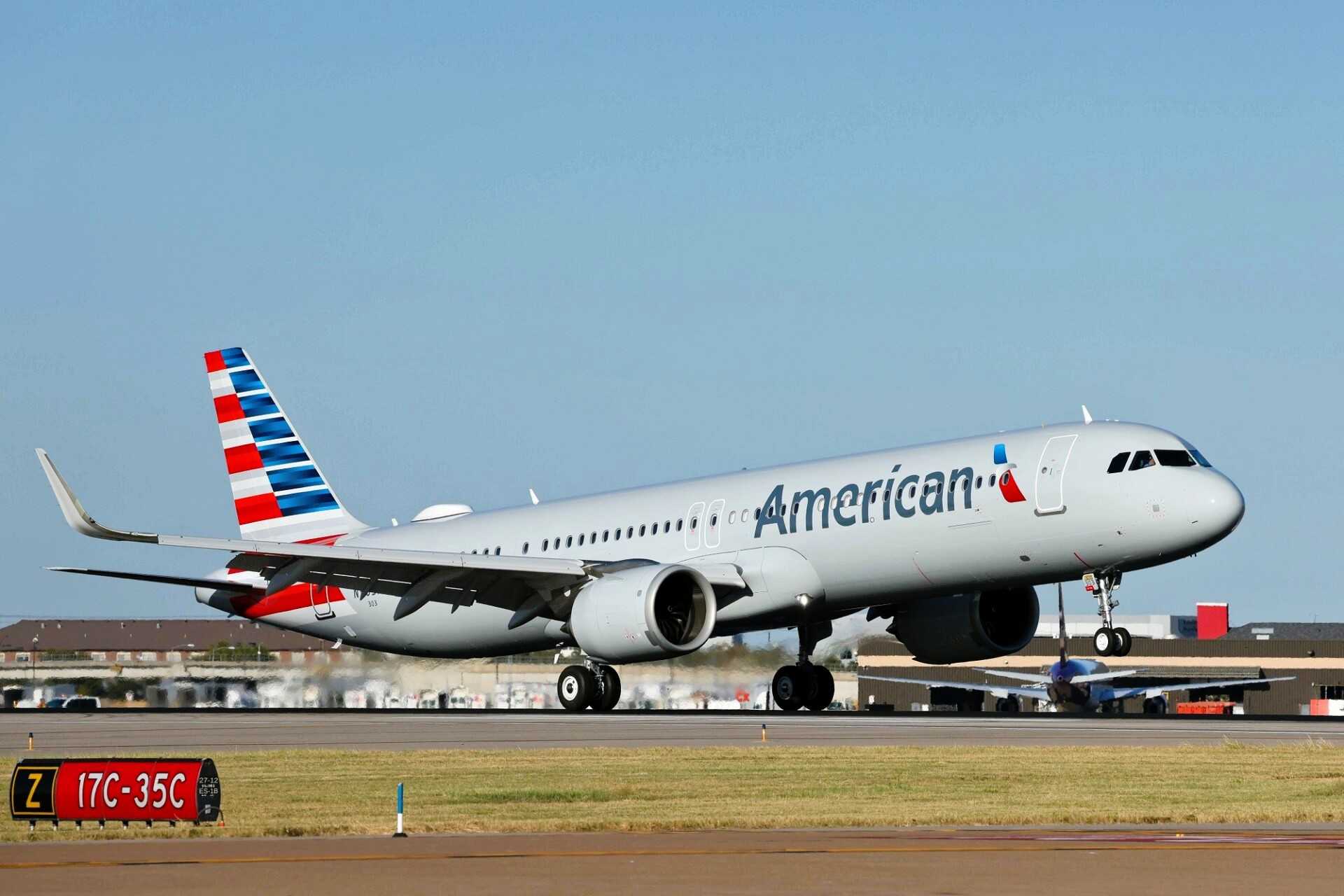
American still has flights from Dallas and Miami, though it once offered service from Charlotte, too.
All told, air service from the U.S. to Tulum will be down more than 50% versus just two years ago, according to data from aviation analytics firm Cirium.
While United flyers will lose nonstop service to one beach destination in Mexico, the carrier continues to expand its largest West Coast hub.
The carrier on Friday confirmed it’s adding two new transcontinental flights from San Francisco International Airport (SFO) — both to Virginia.
Twice-weekly flights to Richmond International Airport (RIC) will begin on March 28. Service will run on Thursdays and Sundays.
That same day, the carrier will launch service to Norfolk International Airport (ORF). Flights will operate on Wednesdays and Saturdays.
It’s United’s second SFO expansion in as many weeks. Just days ago, the carrier announced a trio of new domestic routes from its Bay Area hub.
These latest new routes from San Francisco come as the airline prepares to open its newest United Club — which even features an outdoor terrace — later this year.
On October 30, 2026, the eVTOL developer and Lufthansa Group carrier confirmed that they had signed an agreement to partner on exploring the potential for an air taxi transport system.
Archer Aviation projects that its Midnight eVTOL could replace 60 to 90 minutes drives with all-electric flights of 10 to 20 minutes, enabling passengers at Fiumicino Airport (FCO) to reach Rome’s city center in less than 10 minutes.
“This agreement with Archer represents an important step in assessing how electric air taxi services could complement our network and enhance connections between airports, city centers and other strategic destinations,” Joerg Eberhart, CEO and General Manager of ITA Airways, said.
According to Eberhart, together the airline and Archer will explore “different solutions to identify the best possible product for our customers”.
“By fostering an integrated, seamless and more sustainable travel experience, we want to help shape the future of mobility in Italy and offer our customers an increasingly efficient journey from origin to destination,” Eberhart added.
In seeking to bring together relevant expertise and stakeholders, ITA Airways will try to create the conditions for new solutions to complement existing transport options, improving airport and urban connectivity.
Its focus will be on enabling an integrated customer journey and connecting the new service with its network, working alongside the specialized partners responsible for its operation.
Adam Goldstein, founder and CEO of Archer, said: “Italy is one of the most visited countries on Earth: Rome Fiumicino crossed 50 million passengers last year for the first time in its history. Every one of those travelers deserves the option to skip an hour in traffic with a 10-minute, all-electric flight. Italy has the regulatory leadership, the infrastructure, and now the airline partner to make air taxis a reality, and I’m proud to be taking this step with ITA Airways and the Lufthansa Group to bring the future of electric aviation to Europe.”
With the agreement now signed, ITA Airways has become the first European carrier to join Archer’s global network of airline partners, extending its commercialization strategy already underway in the US and the UAE.
Published: 11:29 GMT, 29 October 2026 | Updated: 11:29 GMT, 29 October 2026
The cost of holidays in the UK could be affected by announcements made in the Chancellor's Budget yesterday.
Mayors will be given the power to impose an unlimited 'overnight visitor levy' on stays in hotels, B&Bs and holiday lets from 2028 – which could set families back an extra £100.
Officially uncapped, Labour regional mayors across England have said they will limit it at 5 per cent.
But UKHospitality has said this additional tax could add £100 for a family of four spending £2,000 on a 14-night break, Sky reported.
UKHospitality said a levy of £2 per person, per night would mean a family of four paying £112 extra for a break of this length – or £100 when capped at 5 per cent.
Mayors and leaders can decide whether to introduce a levy and how the revenue should be invested in their area, in consultation with their residents and local businesses.
However, not all leaders will implement the tax.
Chancellor John Healey announced updates to tourism in yesterday's Budget
The Budget could affect the cost of flying, too.
Families booking a long-haul holiday next summer could face a £503.90 tax charge for two children in premium economy, while the same children would be exempt in economy, as per AirAdvisor's latest analysis.
The difference applies to departures from England to destinations including the US, India and much of the Caribbean from April 1, 2027.
It comes from an existing Air Passenger Duty rule that removes the exemption for under-16s when they travel above the lowest cabin class.
The Budget confirmed a further increase from April 2028, taking the combined charge for those two children to £519.54. That is an increase of £15.64 on the 2027 figure, not a new £519.54 charge introduced by the Budget.
What other Budget announcements will affect tourism and hospitality?
Minimum wage will increase 3.9 per cent from £12.71 per hour to £13.20.
UKHospitality CEO Allen Simpson said this minimum and national living wage uplift 'will add further pressure for hospitality businesses already grappling with substantial increases in costs'.
An 'overnight visitor levy' could set families back an extra £100 on UK holidays
He said: 'This is the first Budget in several years to deliver any positive news for hospitality at all, and it shows that forceful, sustained sectoral campaigning works. We must carry on going to win the VAT cut we so badly need.
'The change to hospitality business rates across England is important. For hospitality and leisure businesses across England, rates will either be frozen in real terms, reduced or cut to zero for two years from April. That is meaningful progress.
'But we have a hill to climb: today was a first step towards fairness, and we have to be clear that there is a lot more to do.'
Julia Lo Bue-Said OBE, spokesperson for The UK Outbound Travel Group and CEO of Advantage Travel Partnership, added: 'The Chancellor has missed a clear opportunity to back travel, a sector that is already delivering the growth this Government wants to see.
'If ministers are serious about boosting the economy and easing pressure on household budgets, they should start with the costs they control directly, such as Air Passenger Duty, which is set to rise again next April and will only push up the cost of holidays for hard-pressed families.
'The 3.9 per cent increase in the National Living Wage from April 2027 will also add to employment costs.'
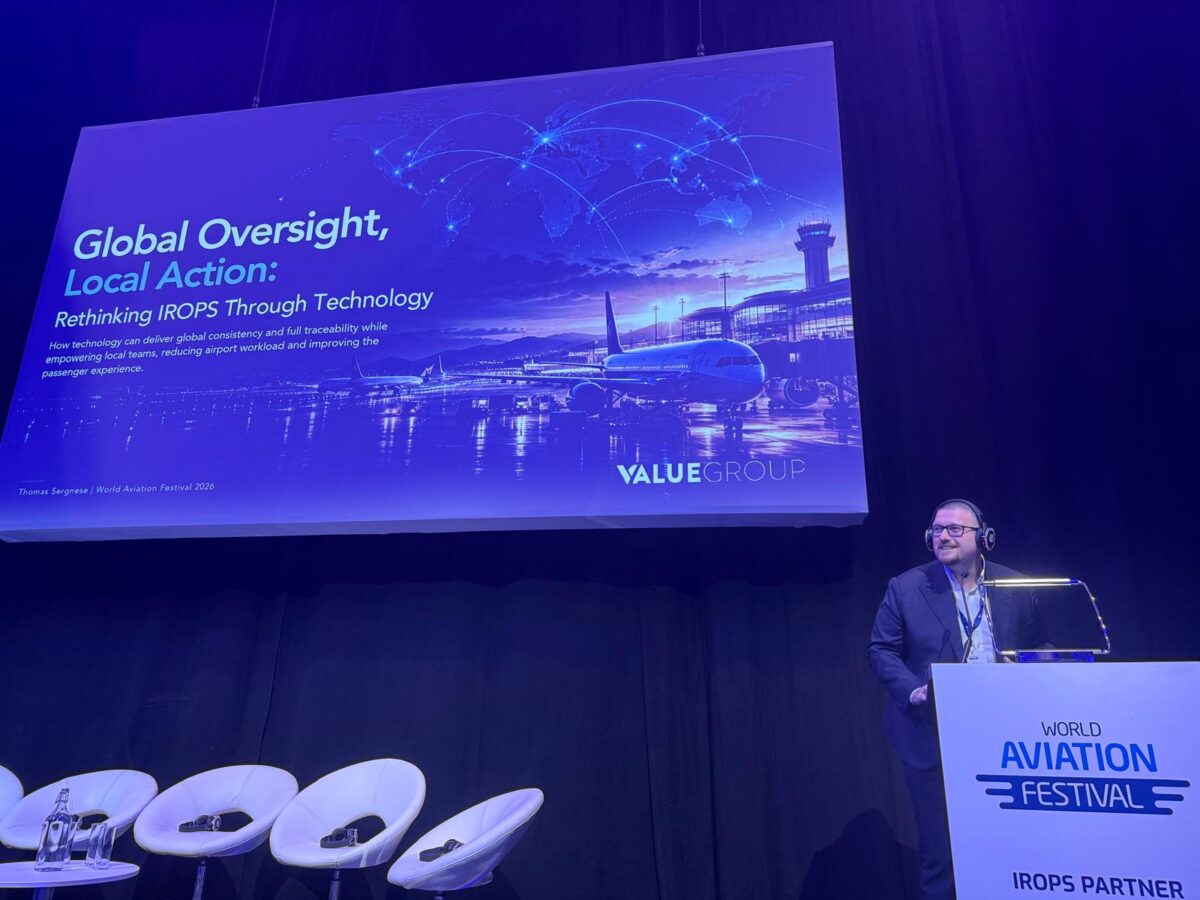
In October 2026, the two Italian executives returned to Lisbon to showcase how, over the course of 12 months, the Italian company has refined and refreshed its business proposition.
Key to this continued growth is the expansion of its RUBIK technology platform, which, in its multiple flavors (Enterprise, Plug and Play, and Go) offers both passengers and airlines a more efficient way of managing irregular operations (IROPS), such as flight delays, cancellations or diversions.
The RUBIK application gives passengers the ability to self-manage the aftermath of flight disruption issues with straightforward access to on-the-ground accommodation and rebooking options and eliminates the need to queue at an airport counter.
But the importance of technology aside, the other foundation pillar of the company’s value proposition is its capability to offer onsite support. This gives passengers who, due to their age, health conditions or specific needs, require additional assistance, the option to receive in-person support.
During conversation with AeroTime, Sergnese referred to the fact that many airlines have reported app usage rates of around 70% among their passengers.
“But what happens to the remaining 30%?” he said. Sergnese highlighted elderly passengers, first-time flyers and people traveling in groups as segments of passengers whose assistance needs are difficult to fully address through automation. Booking fragmentation also adds to the gap. For example, a digitally savvy traveler who booked through an agency might not receive a direct email from the airline informing them of an issue.
It is for precisely these reasons that Value Group has established its own service desks and lounges at 20 airports in Europe, including Milan Malpensa (MXP) and London-Gatwick (LGW), However, a truly global reach requires the capability of providing a last-mile service at scale.
This is when the network of partners assembled by Value Group comes into play. As of the fourth quarter of 2026, the company’s supplier network reaches more than 430 airports. “Can you imagine hiring people in 433 airports? Not even the biggest handler has this type of presence,” Daniele Bocchieri said.
This segmented and differentiated approach to disruption handling is also echoed in Value Group’s technological platform. The company has developed its RUBIK software suite into a family of solutions that respond to different industry and market needs.
RUBIK Enterprise uses APIs (application programming interface) to connect with the customer airlines’ passenger service system (PSS) and flight operations systems. Affected passengers receive a message with a deep link which allows them to book their own hotel and transport.
RUBIK Plug and Play requires no integration at all. Passengers simply scan a QR code at the airport, enter their name, and book a room. It can be live at a station within days and is already deployed with several airlines, the executives confirmed.
RUBIK Go is designed for passengers who are not comfortable with digital processes or are unable to use the technology for certain reasons. In this case, ground staff can use the system to scan the passenger’s boarding pass and assign a room and transport on the spot.
As Value Group steps up its global expansion, particularly in growth markets such as the Americas and Asia-Pacific, Sergnese and Bocchieri continue to devise new ways to leverage its operational expertise in order to help airlines stay one step ahead of disruption.
Artificial intelligence (AI) could become a powerful ally in this mission. For example, enabling Value Group to proactively provide actionable insights in case of disruption.
What if a software platform could help airlines handle disruption in real time? A case in point would be helping airlines choose where to divert a flight based on the carrier’s capability to provide the best possible disruption response on the ground.
In such cases, AI analytical capabilities would be coupled with Value Group’s own data and expertise to determine, for example, which airport has the most suitable inventory of available hotel rooms nearby.
Likewise, agentic solutions can help airlines improve disruption management, for example, by providing more personalized solutions, tailored to the preferences of their most frequent and valued customers.
To learn more about Value Group, watch AeroTime’s video interview with Thomas Sergnese, Co-CEO & Chief Commercial Officer.
LYVGO Atlas illustration — original artwork, not publisher photography.
United exits Mexico's new Tulum airport, adds 2 more routes from San Francisco
Confirmed
United Airlines will exit Tulum International Airport in January, the latest blow for the new terminal. But the carrier is adding two more San Francisco routes.
Not yet confirmed
Reported by one outlet so far — not yet corroborated by another.
Today's list
Airport Time-Savers Most Travellers Still Miss
As we navigate the complexities of air travel, it's easy to overlook simple time-saving strategies that can make all the difference. From clever packing hacks to smart airport navigation, here are seven airport time-savers that every traveller should know about.
1
Packing Cubes
These simple, collapsible cubes help you organize your luggage and make the most of your carry-on space, reducing the time spent searching for essentials at security checkpoints.
2
Airport Apps
Download apps like Airport Guide or FlightStats to get real-time information on flight schedules, terminal locations, and security wait times, helping you plan your airport experience more efficiently.
3
TSA Precheck
Enroll in TSA Precheck to speed through security checkpoints, where you'll be screened separately from general passengers and enjoy shorter lines.
4
Travel Wallets
Invest in a travel wallet or passport holder with RFID-blocking material to keep your passport and boarding passes safe and easily accessible.
5
Power Banks
Pack a portable power bank to keep your devices charged throughout the airport, eliminating the need for lengthy waits at charging stations.
6
Airport Lounges
Take advantage of airport lounges, which often offer complimentary food, drinks, and Wi-Fi, providing a more relaxed and productive airport experience.
7
Travel-sized Toiletries
Pack travel-sized toiletries to avoid the hassle of buying expensive airport essentials, such as shampoo and conditioner, and to save space in your luggage.
AeroTime columnist Ori Gross is an airline pilot, flight instructor, and engineer/developer with a background in airline management. He covers commercial aviation, defense, and technology, combining technical insight with real-world operational experience to deliver informed analysis of developments across the industry.
The views and opinions expressed in this column are solely those of the author and do not necessarily reflect the official policy or position of AeroTime.
What happened
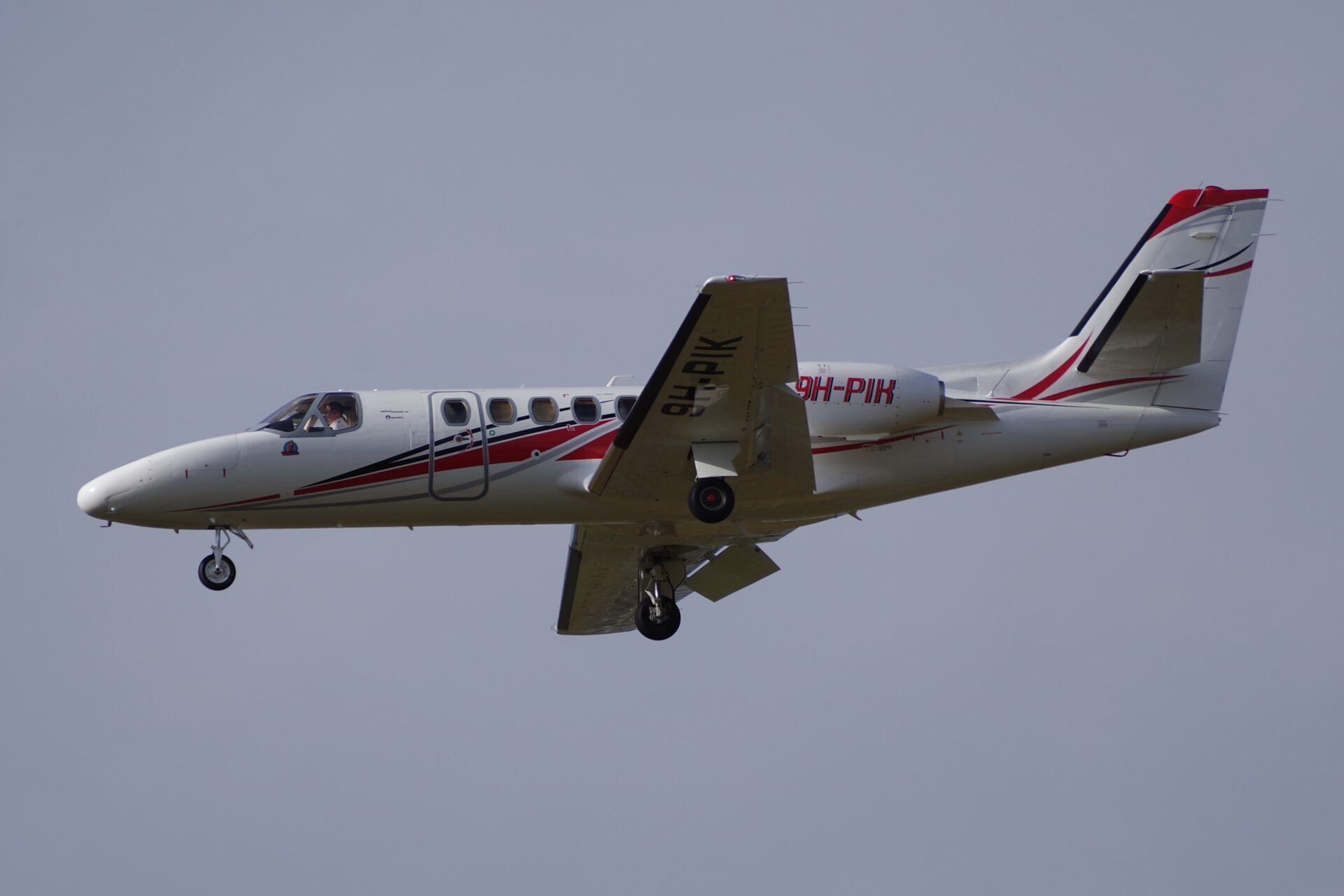
The Federal Aviation Administration (FAA) has released a crucial policy change that ends the Single-Pilot Operations (SPO) exemptions for legacy Cessna Citation 500 series jets.
The detail
Because of this decision, which moves away from exemptions given since 1984, planes such as the CE-500 (Citation I), CE-550 (Citation II/Bravo), CE-S550 and CE-560 (Citation Ultra/Encore/Encore+) must now always have a trained Pilot acting as Second-in-Command (SIC) onboard in addition to the Pilot acting as Pilot-in-Command (PIC).
The wider picture
(Note: Purpose-built Part 23 single-pilot aircraft such as the Citation 501/551 SP, the Citation Mustang 510, and the CJ/525 series remain unaffected, as single-pilot operation is certified directly on their type certificates).
What comes next
While this policy update carries significant financial and operational ramifications, the deeper issue is not just regulatory: it is ergonomic, procedural, and psychological.
Additional context
Lacking even the slightest statistical equivalency or reliable institutional oversight regarding training, there is no legal ground for justifying these exemptions in their current form.
Analysis
The difference boils down to the aircraft certification philosophy. The legacy part 25 Citations were arranged for use in multi-pilot operations, with an arrangement that accommodates access to switches, breakers, emergency deployment systems as well as warning instruments throughout the cockpit to both pilots equally well.
Reactions
In contrast, single-pilot aircraft such as the Citation 501 SP or initial CJ series were specifically designed from the start with Single-Pilot Resource Management (SRM) in mind.
Developments
Trying to operate an aircraft originally intended for a minimum crew of two pilots creates significant cognitive challenges in cases of higher workload such as emergency situations like system failures while flying in instrument meteorological conditions (IMC).
Developments · 2
The most neglected risk of the decision might be overlooking the fact that Crew Resource Management (CRM) is a learned skill, not a simple consequence of two people being sat into the cockpit.
Developments · 3
Adding a second-in-command in the right seat of an aircraft flown by a pilot who has been flying on his own entails some significant human factors difficulties such as workload monopoly.
Developments · 4
A lone pilot has developed a quick, internalized way of doing things. The pilot will tend to operate frequencies, systems, and solve problems all at once while flying by hand. Without training, the newly appointed second-in-command becomes a mere silent witness to what is happening all while a regulatory criteria box is being ticked off.
Developments · 5
An experienced owner-pilot hiring someone with little flying experience, only to fulfill legal and insurance requirements often results in authority imbalance that hampers the challenge-and-response principle adoption. A junior second-in-command may feel reluctant to raise concerns about altitude deviations or skipped items on a checklist.
Developments · 6
Solo flyers tend to make quick and silent decisions. True multi-crew operations necessitate proper information exchange between the crew members including standardized briefings, challenge-and-response checklists, callouts, and mutual cross-verification.
Developments · 7
To avoid friction and latency in communications, the operator needs to establish all of that as part of their standard operating procedures (SOPs) and maybe even craft a Flight Crew Operating Manual (FCOM) for an aircraft that never had one to begin with as I’ve had the pleasure of doing in the past. Without structured CRM training, this sudden verbalization overhead can initially increase pilot workload during critical phases of flight rather than decrease it.
Developments · 8
If a military pilot can fly an F-16 or F-35 solo through hostile airspace, weather, and supersonic speeds, why does a civilian business jet require two pilots?
Developments · 9
While the crew count may be identical, the operational environment and cockpit architecture are fundamentally distinct for a number of reasons.
Developments · 10
The end of the CE-500 exemption immediately brings changes to the business aviation space.
Developments · 11
For low-time commercial multi-engine pilots, it creates a welcome surge in second-in-command demand allowing them to accumulate valuable turbine time experience.
Developments · 12
At the same time, the gap in valuation between the traditional Part 25 aircraft and modern single-pilot aircraft made under Part 23 is going to widen.
Developments · 13
Most importantly, operators of legacy CE-500 aircraft are forced to let go of relying solely on SRM and hopefully learn and deploy CRM responsibly.
Developments · 14
Cockpit safety cannot be judged by a skilled pilot’s ability to handle all aspects of flying on a clear day; it is tested when emergency procedures come into play together with adverse weather conditions and the workload exceeds what a single-pilot can manage.
Developments · 15
Since the industry is considering the introduction of single-pilot airline operations and fully automated cockpits, the CE-500 decision reaffirms a basic truth in this area: an exemption can only be justified if equipment design, human factors, and crew dynamics are aligned.
Local impactFollow how this story develops and what it means for you.
Source: FAA ends CE-500 single-pilot exemptions. What will change in the cockpit? (aerotime.aero) · Oct 30, 2026
What to do next
Read more about this topic on LYVGO.
See related stories from the same desk.
Follow this developing story for the latest updates.
Comments
United exits Mexico's new Tulum airport, adds 2 more routes from San Francisco | LYVGO




































Comments