This winter’s expanded lift will make it easier for the Martinique Tourism Authority to organize FAMs from this market, MTA’s Karine Roy-Camille told Travelweek.
The Cat Distribution System works in meowsterious ways, and for one traveler, all it took was a smoke break at Chicago's O'Hare Airport and a missed connecting flight to turn his unexpected delay into an even more unexpected adoption. Depending on where you'…
The bomb threats involved two passenger planes bound for Warsaw, a Ryanair flight from London to Spain, and a fourth flight traveling from Israel to the Bulgarian capital, Sofia. No explosives were found.
Oman’s arrivals have held up this year, but its hotels lost more than a tenth of their guests and revenue as Europeans stayed away. Regional travelers are still arriving but make shorter visits at lower rates.
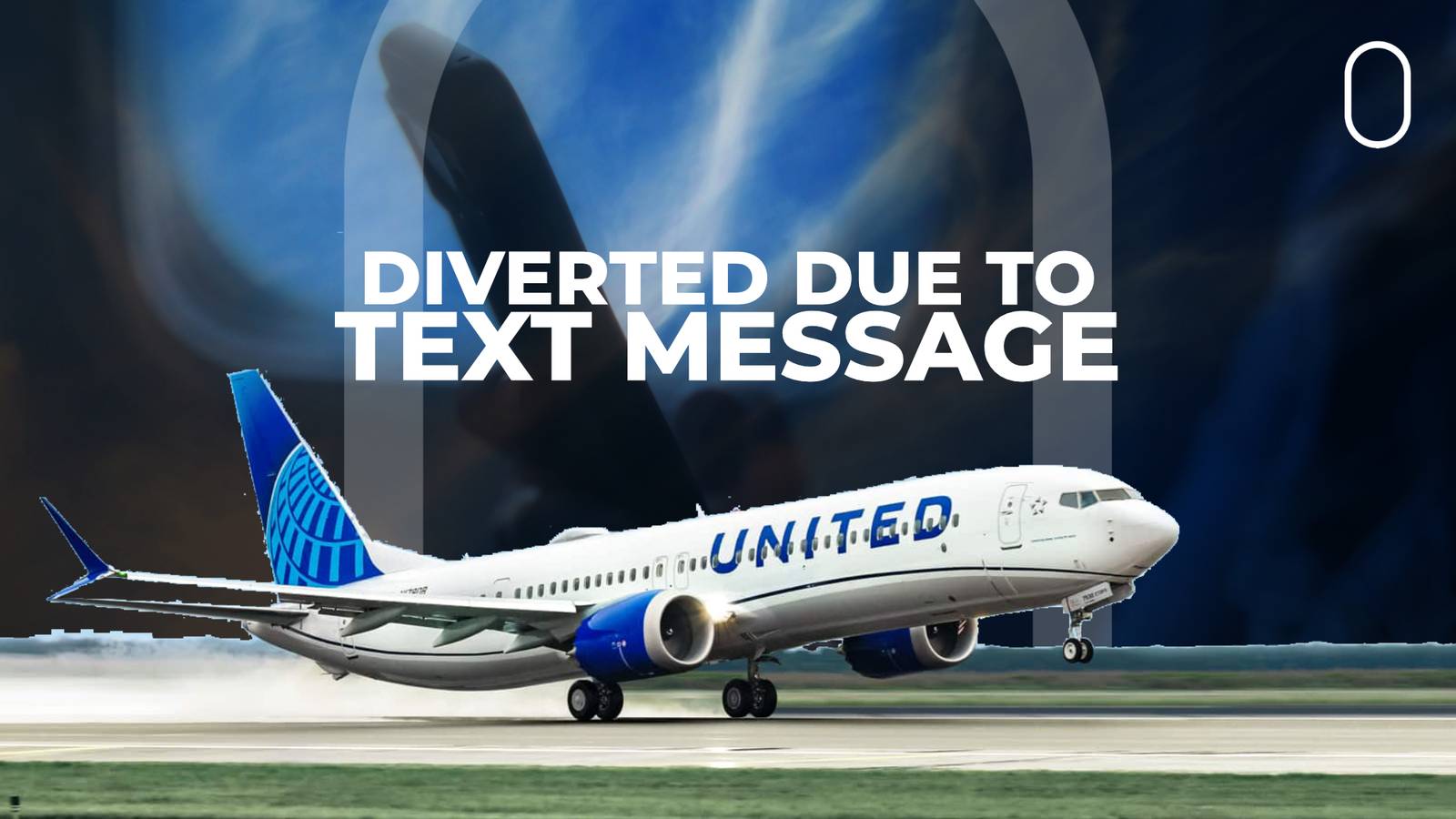
A security concern on a United Airlines flight from Las Vegas to New York prompted the aircraft to return to Vegas shortly after takeoff. The incident concerns a flight attendant reportedly spotting a passenger texting about hijacking the plane.
Air India CEO Tewolde Gebremariam thinks the carrier has been "punching below its weight." He is now planning for the airline he wants it to become, not the one it is today.
Discover Design Hotels, Marriott's collection of independent boutique hotels, and learn how to earn and redeem Bonvoy points and what elite benefits to expect.
Union tourism ministry tells Kerala HC that pending NIDHI hotel classification/reclassification applications give no provisional status for FL-3 bar licence renewals.
Champagne, designer luggage and a reported six-figure charter flight home. These are the Sydney identities spotted returning from Andrew Stanway's Bali birthday weekend.
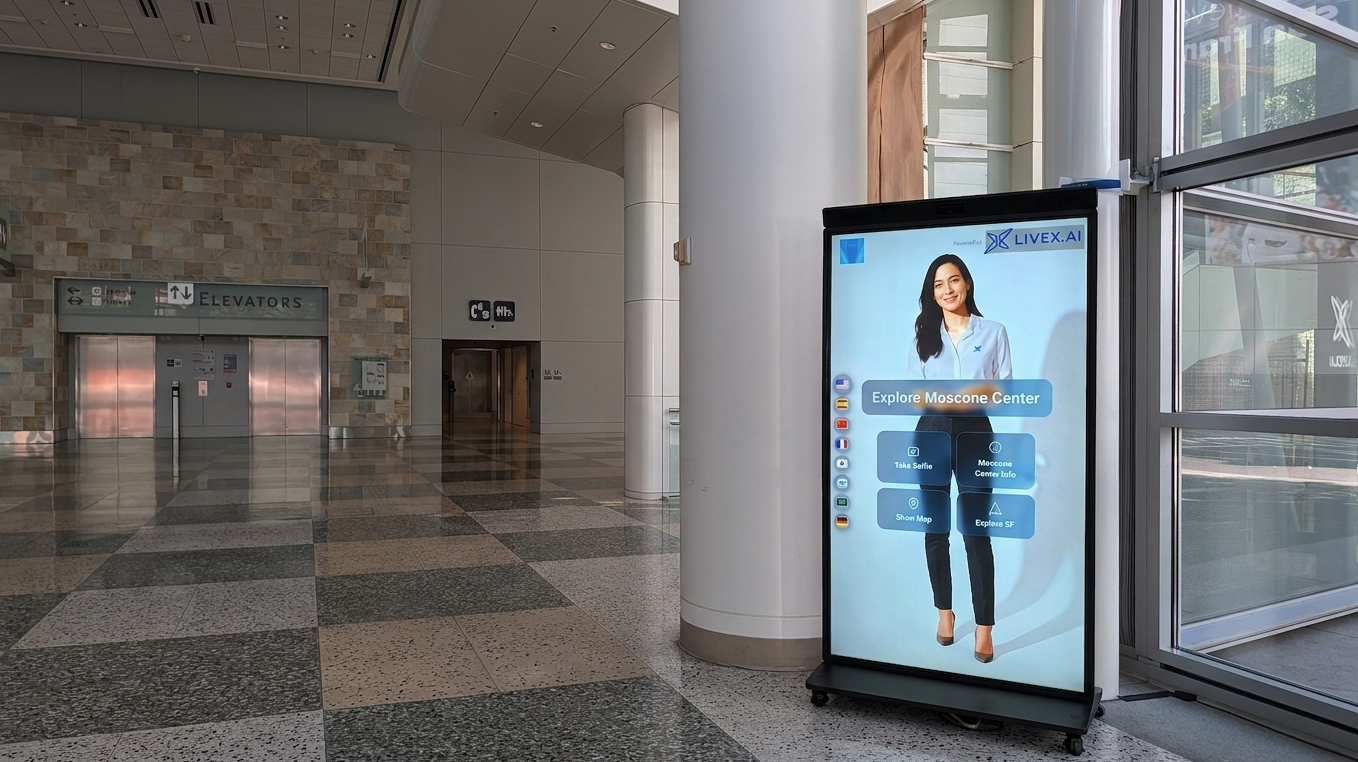
Palo Alto-based LiveX AI Inc., a company building interactive experience artificial intelligence agents for retail and hospitality environments, today announced AI City, its kiosk-driven, life-size, human-like AI hosts. The company’s products, currently deplo…
Thailand’s $118 billion goal targets spending rather than arrivals, which have stalled at about 33 million. Rising prices will surely lift revenue regardless, but higher rates aren’t the same as higher value, and the plan has no budget yet for the terminals, marinas and guides needed to attract bigger spenders.
Still learning, 80 years later.ScienceAlert stories are written, fact-checked, and edited by humans, never generated by AI. Don't miss a story, subscribe here.
The Budget has confirmed that mayors across England can charge an overnight visitor levy from 2028. Here's how England's tourist tax will work, what it could add to a hotel bill in dollars, and why it won't affect a trip in 2027.
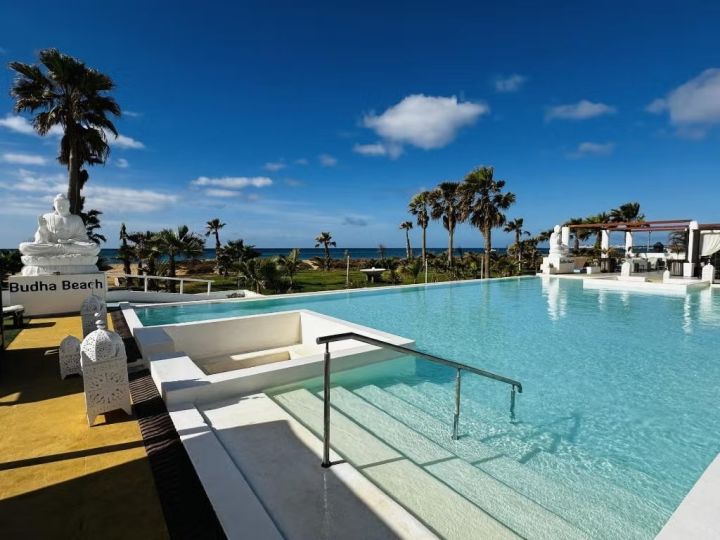
Cape Verde might not be on everyone's radar yet, but that's rather the point -- warm Atlantic breezes, year-round sunshine and none of the crowds you'd find elsewhere.This seven-night stay at the highly rated 4⭐ Hotel LIVVO Budha Beach puts you right on the s…
IndiGo CEO Willie Walsh says Mumbai airport’s per-passenger charges should fall after Terminal 1’s redevelopment increases capacity. He argues airport costs affect fares and airlines’ ability to earn returns, and calls for closer scrutiny of airport investmen…
Warsaw-Modlin Airport reopened around midday Tuesday after a bomb threat forced a passenger plane from London to make an unscheduled landing there, while another plane from Copenhagen was checked at Warsaw-Chopin airport for the same reason.
Cruise lines are putting some of their biggest ships on shorter trips, but the financial evidence that those voyages generate better returns remains thin.
With the start of a new month comes a fresh batch of Air France/KLM Flying Blue Promo Rewards. When booking by the end of this month for travel through the end of April 2027, you can save 25% on awards between select cities in North America and Europe, China,…
Regional airline FLY91 plans to expand its fleet from six to around 60 aircraft over five years, backed by an order for 40 planes scheduled for delivery between 2027 and 2032. The airline also aims to operate nearly 350 weekly flights this winter, prioritisin…
AI may own the start of the trip, but Booking.com is betting trust and payments decide who gets the booking. Its experience with superapps, where daily use never became travel spending, suggests generative chatbots may face the same problem.
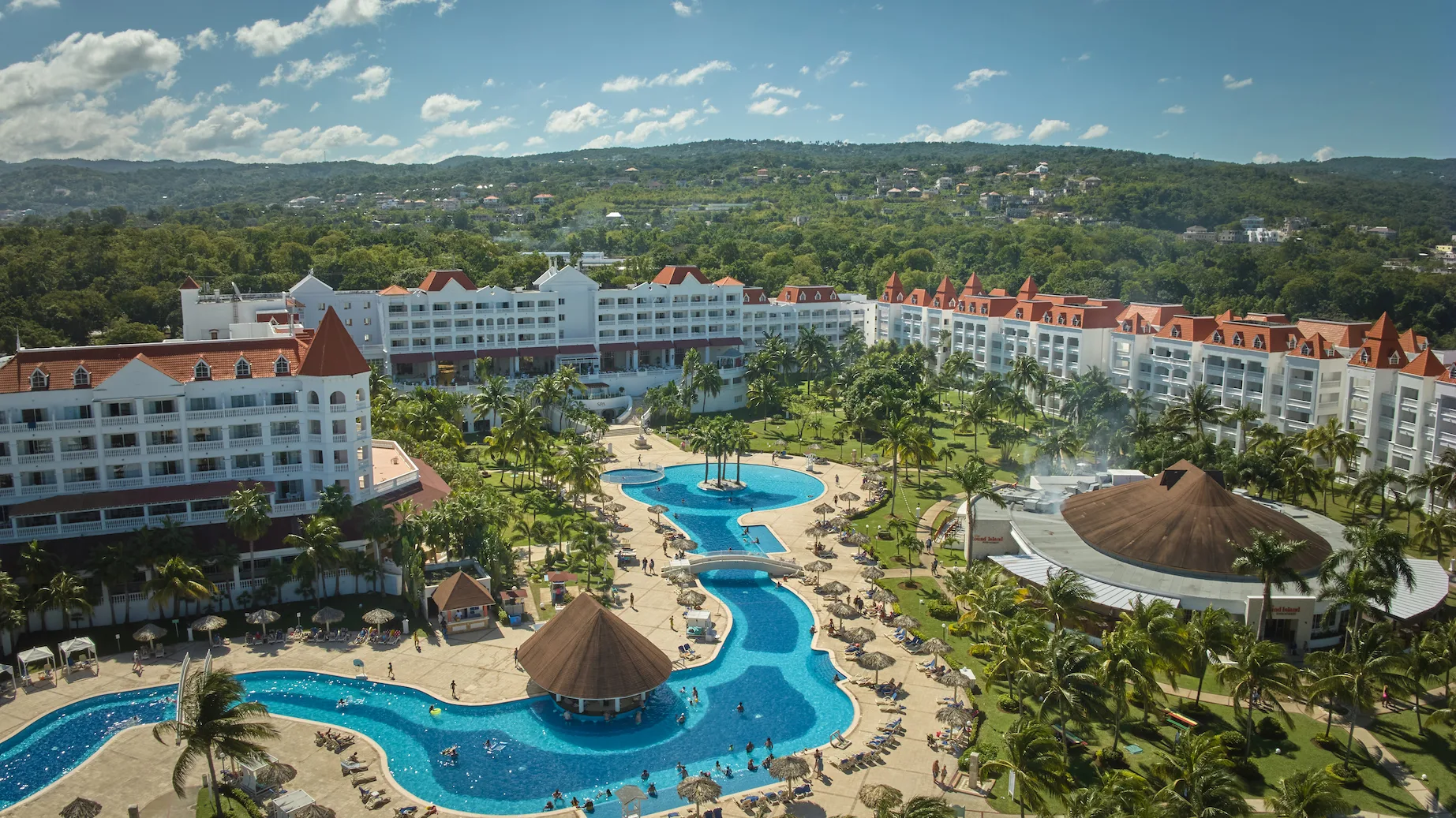
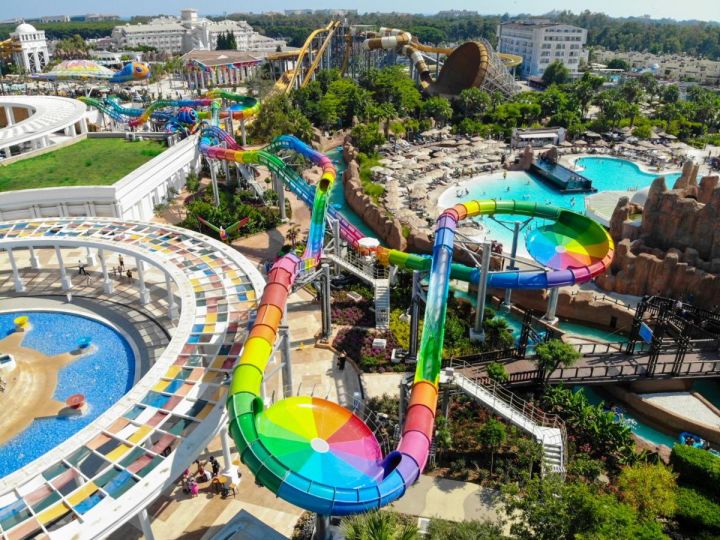
The Land of Legends Nickelodeon Hotels & Resorts isn't just a hotel -- it's a theme park with beds attached.Think waterslides twisting past slime-green towers, pools built for cannonballing, and characters wandering the grounds for the kids to chase down.Base…
Travel changes how you use your phone. Mobile data can be expensive or hard to get, public Wi-Fi is sometimes your only connection, and long flights or train rides can mean hours without any signal.
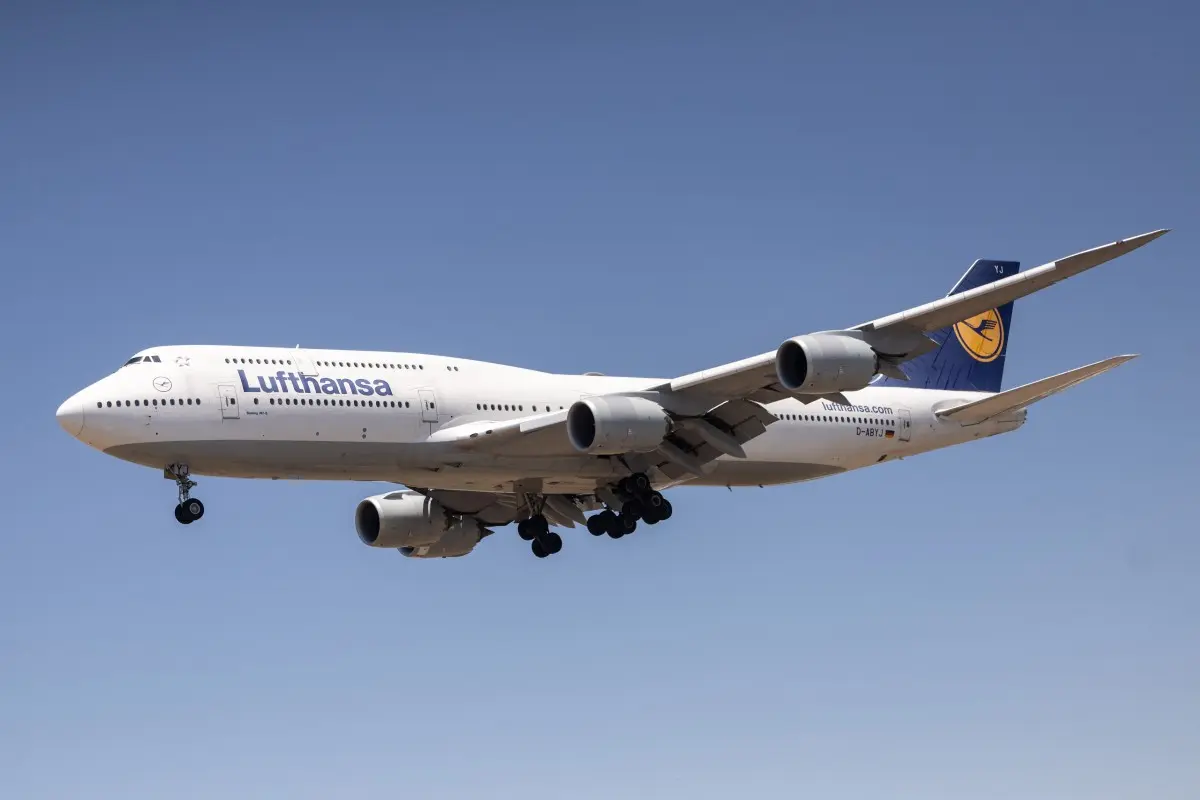
Lufthansa has become the latest airline to warn that ticket prices will rise further, as it forecast a two-billion-euro jump in annual fuel costs due to the Middle East conflict.
United Airlines will expand to northern Mexico next spring despite a cloudy outlook.
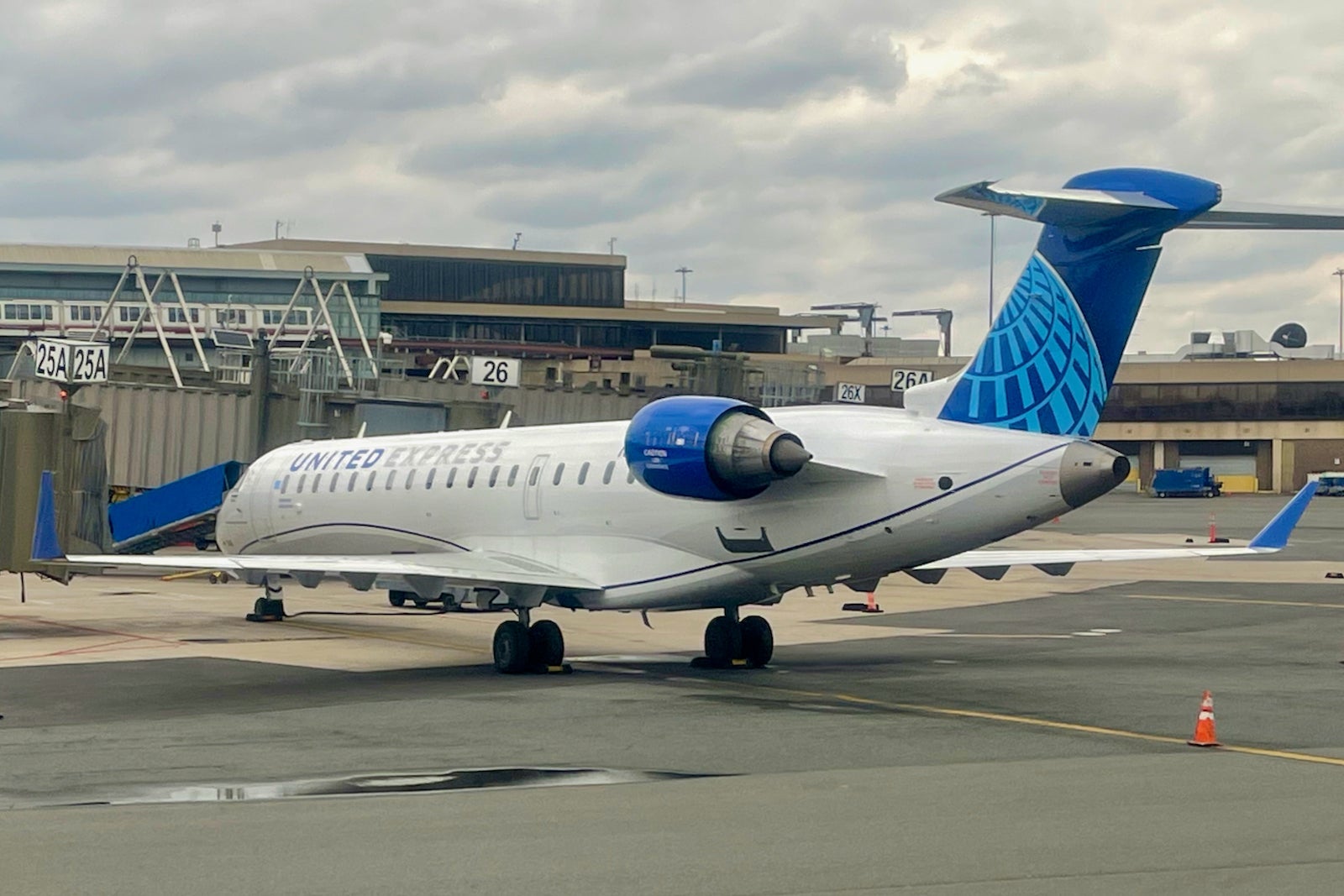
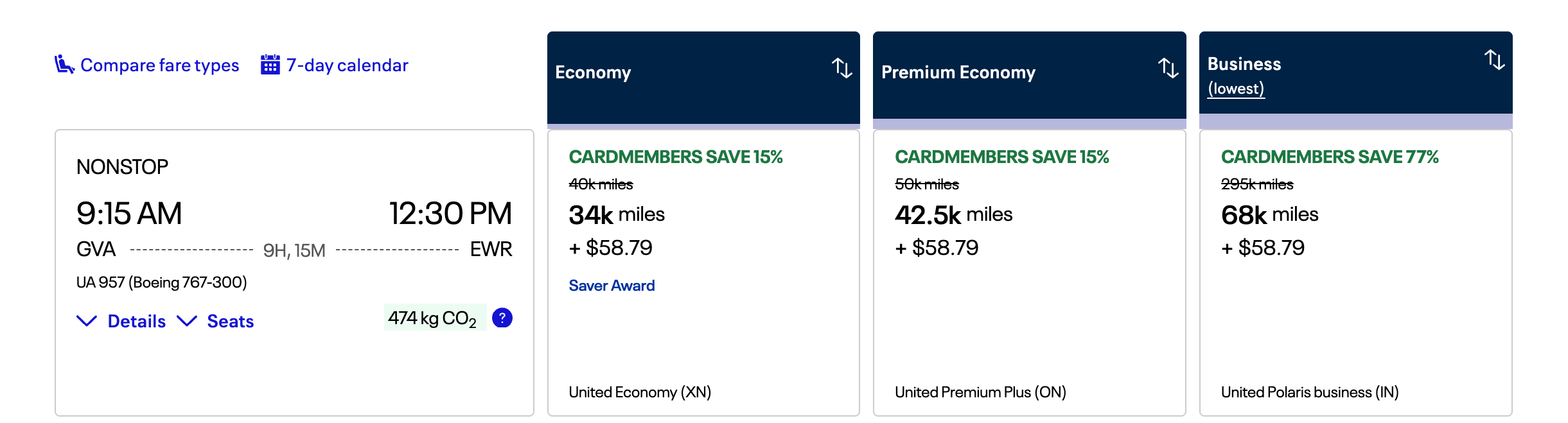
The Star Alliance carrier will return to Chihuahua Airport (CUU) in northern Mexico from Houston’s George Bush Intercontinental Airport (IAH) beginning March 28, 2027.
Edibray Gómez Gallegos, the secretary of tourism of Chihuahua state, said the new route will increase connectivity for the state and "reflects growing interest among North American travelers in discovering the many tourist attractions Chihuahua has to offer."
United last served the IAH-CUU route in 2020, according to schedule data from aviation analytics firm Cirium. It will join American Airlines among U.S. carriers serving the airport.
A spacious Bombardier CRJ-550 will be used on the route. The plane, originally a 70-seat CRJ-700, is fitted with 10 first-class, 20 extra-legroom economy and 20 economy seats.
Other news: United is bringing its nicest plane (with the Polaris Studios) to a city that never sees it
The new CUU route comes as airlines around the globe have been forced to adjust to soaring fuel costs.
United CEO Scott Kirby has previously warned that United has “no hesitation to cut capacity of flights that are losing money” in 2027 if fuel prices stay elevated as expected.
For context, the average global price for a gallon of jet fuel stood at $4.56 during the week ending Oct. 30, up 3.8% from the previous month's average, according to data from trade group IATA.
For now, however, the carrier remains mostly in growth mode. This new route is the latest in a bevy of additions from United in 2027.
The airline will add at least five new routes from San Francisco International Airport (SFO), including to Charleston International Airport (CHS) in South Carolina and Richmond International Airport (RIC) in Virginia, and from O’Hare International Airport (ORD) in Chicago to L.F. Wade International Airport (BDA) in Bermuda.
And then there is United’s blockbuster 10-route summer long-haul expansion that will add destinations including Luxembourg Airport (LUX) and Ljubljana Airport (LJU) in Slovenia to its map.
It is not all growth for United next year, though. The airline will end service to Tulum International Airport (TQO) in Mexico in January.
Overall, these additions and cuts underscore United's efforts to grow its network while keeping an eye on profitability.
TORONTO — Travel advisors have a chance to win a stylish Gran Canaria getaway with a new contest.
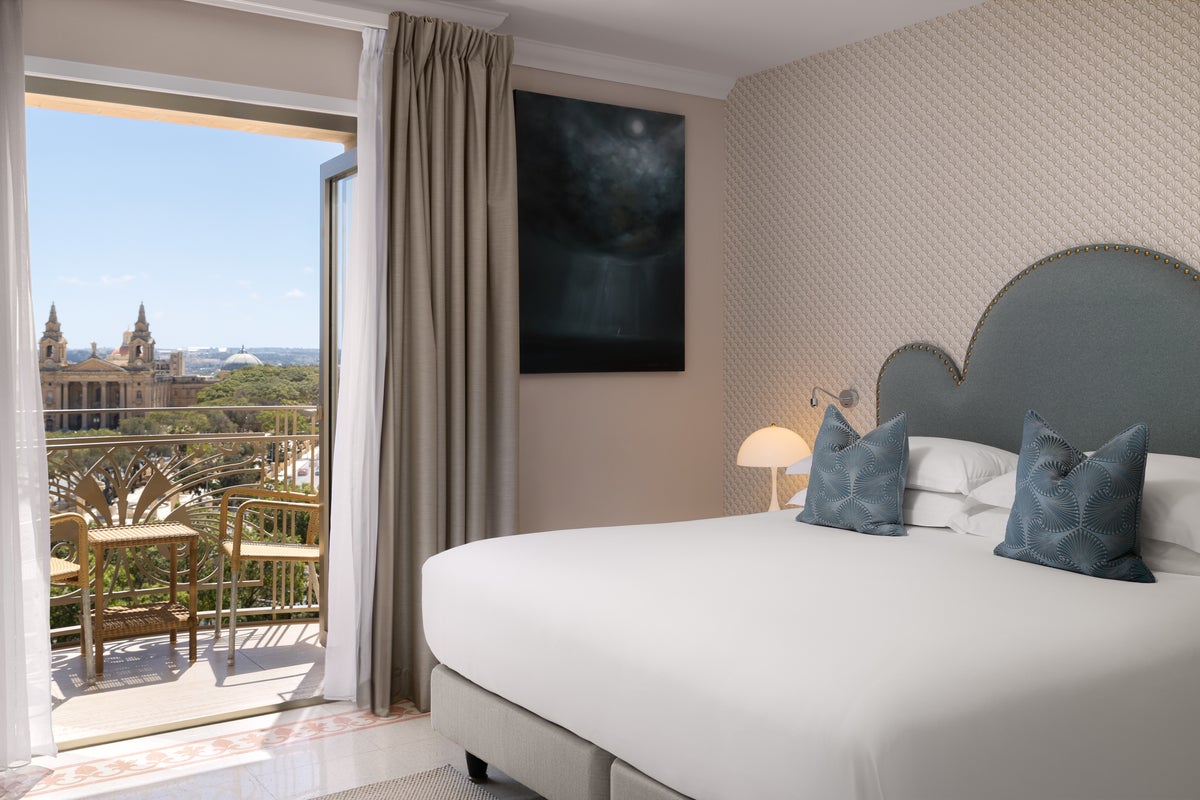
The prize highlights Seaside Palm Beach, a five-star design hotel beside the island’s iconic Maspalomas Dunes. The property combines distinctive Alberto Pinto interiors with lush gardens, excellent gastronomy and a relaxing wellness experience. Its ideal location and warm, attentive service make it an appealing choice for clients seeking an upscale island escape.
The contest closes Nov. 30, 2026. One winner will receive a getaway for two, including three nights’ accommodation at a Seaside Collection hotel on the meal plan confirmed by the hotel, plus a rental car for the duration of the stay provided by Gran Canaria Tourism.
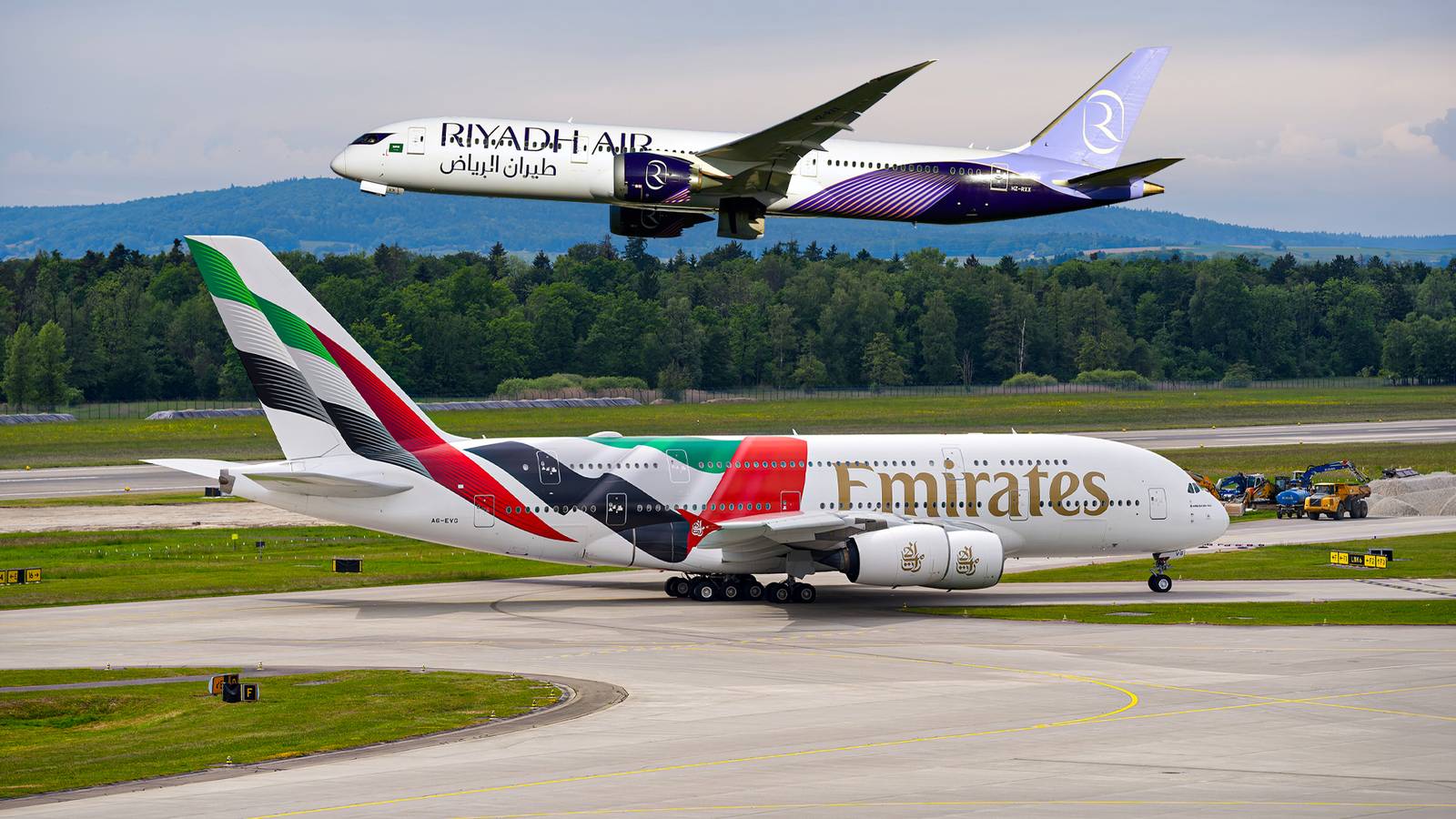
Aviation in the Middle East is getting even hotter and has entered its most volatile chapter yet. With the official launch of public ticket sales and scheduled commercial routes by Saudi Arabia's Riyadh Air, the long-standing monopoly of incumbent mega-carriers faces an existential challenge.
Backed by the massive financial engine of the Public Investment Fund, this newcomer is entering the market with a baseline expectation of global dominance, targeting more than 100 destinations by 2030. Dubai-based Emirates, the traditional heavyweight of ultra-premium global transit, is answering this threat not with price wars, but with a colossal $2 billion defensive strategy.
The way forward is to overhaul its existing widebody fleet and raise the stakes on its legendary onboard soft product. Emirates aims to construct a luxury moat that no new start-up, regardless of capital, can easily cross. This multi-layered defense reveals how the world's most profitable international carrier plans to protect its crown against a state-funded rival built specifically to overpower it.
The timing of this confrontation could not have been more interesting. Emirates recently reported a record annual profit of AED 22.8 billion ($6.2 billion) for the fiscal year ending March 31, 2026, giving the Dubai carrier unprecedented financial leverage to reinvest in its brand. However, Riyadh Air operates under the virtually unlimited mandate of the Saudi National Aviation Strategy, throwing away the traditional financial barriers that keep new airlines from scaling instantly.
This conflict moves beyond simple corporate rivalry into a geopolitical race for geographic transit dominance. For over two decades, Dubai has stood as the undisputed global crossroads, using its hub-and-spoke architecture to capture premium traffic moving between west and east.
Riyadh Air's rapid rollout of high-profile routes, including London Heathrow Airport (LHR) and Manchester Airport (MAN), seems more like a deliberate attempt to divert these lucrative passenger streams directly through King Khalid International Airport (RUH) instead. To survive the challenge, Emirates has to rely on its hard-earned operational scale and immediate brand recognition.
A brand-new airline can order the latest widebody frames, but it cannot immediately replicate decades of premium consumer loyalty or a fully matured global network. Emirates, therefore, is choosing to deploy its record cash reserves into immediate passenger experience upgrades, giving the Saudi upstart a rapidly moving target that is not easy to chase.
Emirates' entire defensive strategy rests upon an aggressive, hyper-accelerated aircraft interior modernization project. Emirates is stripping down and rebuilding the interiors of 219 widebody aircraft, split between its flagship Airbus A380 double-decker jets and its trusted Boeing 777 fleet.
This process involves completely removing every seat, carpet, and bulkhead panel to install standard-setting configurations that maintain consistency across all major long-haul corridors. The ultimate weapon in this hard-product modernization is the widespread integration of the highly praised premium economy cabin.
Inserting this mid-tier luxury option into routes historically dominated by binary business and economy layouts allows Emirates to capture high-yield leisure travelers who want upgraded comfort but avoid full premium pricing. Riyadh Air has anticipated this by installing a four-class layout right out of the gate on its incoming Boeing 787-9 aircraft, recognizing that the battle for modern corporate and premium leisure spend is won or lost in these multi-tiered cabin ecosystems.
The economic realities of these structural choices will dictate route profitability as both carriers go head-to-head on flagship sectors like Dubai to Riyadh and London Heathrow. Emirates can distribute its massive capital investment across an immense active fleet, so the unit cost of upgrading each aircraft remains manageable.
If aircraft delivery delays continue to plague the wider aviation industry into late 2026, Emirates' ability to refresh its active fleet rather than waiting on manufacturer backlogs will provide a distinct tactical advantage over an opponent relying entirely on new orders to arrive.
Seating arrangements form the foundation of passenger comfort, but the ultimate battle for premium consumer mindshare plays out through meticulous soft-product curation. Being limited by the confines of the aircraft cabin means that the sensory details of the journey become the main way an airline differentiates itself from its peers.
Emirates understands this dynamic intimately, which is why a significant portion of its multi-billion-dollar investments is directed toward experiential touchpoints that passengers can touch, smell, and taste. This commitment is clearly visible in the recent rollout of the 18th iteration of its exclusive luxury Bvlgari amenity kits.
Gradually appearing on select long-haul routes throughout the year, these redesigned kits are carefully customized by gender and cabin class to mirror the warm tones of the newly retrofitted cabins. First class female passengers receive exclusive 30-milliliter bottles of high-perfumery Le Gemme Sahare Eau de Parfum, an opulent fragrance inspired by desert landscapes featuring notes of ambergris and Taif rose.
These ultra-luxury touchpoints are highly functional tools designed to retain elite flyers who might otherwise be tempted by Riyadh Air's fresh alternatives. Then, matching these premium cosmetic and fragrance offerings with sustainable elements like recycled fabrics and eco-friendly kraft paper packaging, Emirates addresses modern customer expectations without sacrificing a shred of the indulgence it is famous for.
An elite onboard product loses its competitive edge if the ground transit experience fails to match that same level of luxury. The multi-billion-dollar premium cabins flying through the skies of the Middle East need equally advanced infrastructure on the ground to process passengers smoothly.
Because of this dependency, the corporate rivalry between the two carriers is also pushing forward a massive construction race to build the ultimate global transit facility, which has already lingered in the background for some time. Dubai is defending its title by using a proven multi-concourse setup at Dubai International (DXB) while preparing a long-term transition to a massive multibillion-dollar expansion at Al Maktoum International (DWC).
Meanwhile, Saudi Arabia is building its defense by constructing the brand-new King Salman International Airport in Riyadh. Backed by sovereign wealth, this mega-hub is designed to handle 120 million passengers annually by the end of the decade, presenting a direct challenge to Dubai's traditional hub-and-spoke monopoly.
Gaining the loyalty of high-yield business travelers is all about minimizing ground friction through private terminal entrances, dedicated customs lanes, and ultra-luxury lounges. Emirates has spent three decades perfecting this ground-handling ecosystem, giving it a deep operational advantage. Riyadh Air has to build these premium ground environments from a completely blank slate, turning the construction of its physical airport layout into a critical element of its market entry strategy.
Startups like Riyadh Air are few and far between, as not many have the financial backing that the new Saudi airline has, but can that actually be enough to challenge an airline as established as Emirates? Capital on its own is not enough, but how effectively that capital replicates decades of route optimization and global connectivity is where the equation can start to change.
A clean-sheet design allows a new airline to install cutting-edge technology like massive 15.6-inch (39.6 cm) 4K OLED screens and four dedicated USB-C ports at every seat without dismantling old systems, but it still lacks immediate network depth. The established giant has a mature global hub that processes millions of transit passengers seamlessly across six continents, creating a massive scheduling advantage that a startup would need years to duplicate.
The reality is that high-spending corporate travelers and frequent flyers do not shift their alliances based on seat width alone. The ultimate luxury in modern aviation is time, which is dictated entirely by frequency of flights and minimal layover windows, making the established hub a formidable defensive fortress, even if there is a seemingly unlimited pot of money to invest.
The unfolding rivalry between these two titans of the skies marks the beginning of a profound change across the entire landscape of international aviation. Billions of dollars are flowing into hardware upgrades and cabin refinements, and the baseline expectation for long-haul passenger comfort is permanently shifting upward, pushing rival carriers outside the region to adapt or risk obsolescence.
For the everyday traveler, this means the mid-tier cabin is no longer treated as an afterthought or a slightly wider economy section. Premium economy has now evolved into an upscale comfort tier, offering travelers legitimate luxury elements at a fraction of the cost of a fully flat bed. Both Riyadh Air and Emirates are showing this with their respective premium economy products, demonstrating how this part of the cabin is where battles are being fought.
The geopolitical push to transform the region into a premier global tourism and logistics axis guarantees that this capacity war will intensify. As the new entrant scales up its widebody fleet, the battleground will move beyond hardware into the digital realm, where biometrics, personalized catering, and seamless cloud-based entertainment will define the next generation of airline loyalty.
TORONTO — With 18 weekly flights from Canada to Martinique this winter, there’s no shortage of lift – and now it’s time for the destination to show travellers from Ontario especially why Martinique is so magnifique.
“Having 18 weekly flights during this winter season is tremendous. It shows that demand is strong and that we have the confidence of the airlines. We really take that as an encouraging sign,” said Karine Roy-Camille, Deputy Director, Americas for the Martinique Tourism Authority, at last night’s ‘Martinique Sensation’ event at Malaparte in Toronto.
“But we still have so much to do because the challenge we’re facing is not about the product or the destination. It’s about awareness, particularly among travel advisors, because they cannot sell and promote Martinique as easily as other Caribbean destinations.”
In an interview with Travelweek, Roy-Camille noted that Martinique has been available from Montreal “for many, many years now,” and in Quebec City for two years. The island’s lift from Quebec City started with one seasonal winter flight with Air Canada. “They didn’t even finish the winter season before deciding to make the flight year-round. Then Air Transat arrived as well.”
For winter 2026-2027, Martinique now has three weekly flights out of Quebec City, year-round.
From Ontario, Martinique started out of Toronto two years ago with one weekly Air Canada flight. This season there are two flights with Air Canada and two flights with Air Transat.
“We still have a lot of work to do, particularly in Ontario,” said Roy-Camille. “It’s a big challenge for us to fill those flights because we have the confidence and trust of the airlines, but we have to help travel agents get to know the destination better and understand its assets.”
Karine Roy-Camille, Deputy Director, Americas for the Martinique Tourism Authority
The good news: Martinique is a truly lovely Caribbean destination, with a sky-high 54% return rate from the Canadian market. The trade is mostly familiar with Martinique thanks to Club Med Buccaneer’s Creek. It’s the only all-inclusive on the island.
“Club Med is our only all-inclusive resort, and that’s a choice we’ve made as a destination,” said Camille-Roy. “What we like is for our guests to arrive in Martinique, leave their luggage at their hotel, villa, guesthouse or condo, and then go out and explore.
The island has many smaller boutique hotels. About 50% of Martinique’s visitors stay in hotels and resorts, with the other 50% opting for villas, Airbnb and the like.
“Club Med is a fantastic property in an extraordinary location in Martinique,” said Roy-Camille. “It’s one of the best locations among all Club Med properties. But we have so many other accommodations and experiences to offer our guests. That’s why we have to educate travel agents first. They are definitely our priority because we believe they can be the best ambassadors for the destination.”
Club Med Buccaneer’s Creek recently opened its brand new Zen Oasis space. Highlights include 56 new accommodation units across seven buildings, including 36 Zen Oasis Deluxe Rooms and 20 Zen Oasis Suites. There’s also a new Zen swimming pool and ‘Cosy Corner’, and a new 68-seat dining area.
Many first-time visitors are familiar with Martinique thanks to its popularity on the Caribbean cruise circuit.
The island is forecasting 275 cruise ship calls for the 2026-27 season, a 12.7% increase vs. 2025-2026.
This coming season’s schedule includes 65 ships operated by 30 cruise lines. That number includes larger vessels, including MSC World Europa, alongside new luxury and ultra-luxury offerings from Four Seasons Yachts and Orient Express Sailing Yachts.
Resort partners and more joined the delegation for the Martinique Tourism Authority’s Toronto event at Malaparte
“PEOPLE LIKE THE FREEDOM TO EXPLORE MARTINIQUE”
Roy-Camille said Martinique’s people are its biggest draw. “Visitors come for the first time, perhaps on a cruise or staying at Club Med. During their stay, they meet people. They meet the local population. The local population is our first asset.
“Twice a year, we conduct a survey with visitors as they’re leaving Martinique. They talk about the beaches, the gastronomy and the experiences. But the first reason they come back to Martinique is for the population, for the people they meet.”
The island is French and European, she added, with excellent infrastructure. “You can rent a car. You drive on the right side of the road, just like here. It’s so easy and convenient. People like the freedom to experience Martinique.”
Martinique “is on a human scale,” she added. “You can go hiking to see a volcano like Mount Pelée in the morning, then for lunch, you can experience a French-Creole gastronomic restaurant. In the afternoon, you can visit a distillery, and in the evening, you can meet with locals to learn about our lives and our history.”
The best news: all that lift this winter will make it easier for the Martinique Tourism Authority to organize FAMs from this market, she added.
Kathryn is Editor at Travelweek and has worked for the company since 1995. She has travelled to more than 50 countries and counts Hong Kong, Jerusalem, the Swiss Alps and the Galapagos Islands among her favourite destinations.
LYVGO Atlas illustration — original artwork, not publisher photography.
Most widely reported
1
Multiple flights to European airports targeted by bomb threats
dw.com
5 outlets reporting
2
Air India CEO Wants More Widebodies as International Ambitions Grow
skift.com
2 outlets reporting
3
JetBlue just raised bag fees for the 2nd time this year. Will other airlines follow ... again?
thepointsguy.com
2 outlets reporting
Every item above is summarised from the source named beside it.
United's newest international destination: Chihuahua, Mexico
Confirmed
United Airlines will return to Chihuahua in northern Mexico from its Houston hub next spring.
Not yet confirmed
Reported by one outlet so far — not yet corroborated by another.
Today's list
Navigating New Cities on a Budget
Exploring a new city can be an exhilarating experience, but navigating its streets without breaking the bank can be a challenge. Fortunately, there are several affordable and convenient ways to get around without overspending.
1
Google Maps
Provides turn-by-turn directions and real-time traffic updates, helping you find the most efficient route and avoid congested areas.
2
Public Transportation Apps
Many cities offer affordable and reliable public transportation systems, with apps like Transit or Moovit making it easy to plan your route and track schedules.
3
Walking
Walking is a great way to explore a new city, allowing you to take in the sights and sounds while getting some exercise and fresh air.
4
Cycling
Renting a bike is a cost-effective and environmentally friendly way to get around, with many cities offering bike-sharing programs or affordable rental options.
5
Street Maps
Carrying a physical street map or using a mapping app like Citymapper can help you navigate unfamiliar streets and avoid getting lost.
6
Local Bus Tours
Many cities offer free or low-cost bus tours, providing a convenient and affordable way to see the sights and learn about the local culture.
7
Travel Apps
Apps like Citymapper or Rome2rio allow you to compare public transportation options and plan your route in advance, helping you save time and money.
Awarded through AFWERX, the US Air Force’s innovation arm, the new funding will support further development of Joby’s autonomy software and additional operational testing in the Pacific, including military exercises.
The US Air Force has also raised the maximum value of Joby’s autonomous logistics and cargo testing contract to $50 million, leaving room for further funding. A Pentagon contract notice published on September 28, 2026, confirmed a $45 million increase in that limit, although no additional funds were committed at the time. Work under the contract is expected to continue until March 1, 2029.
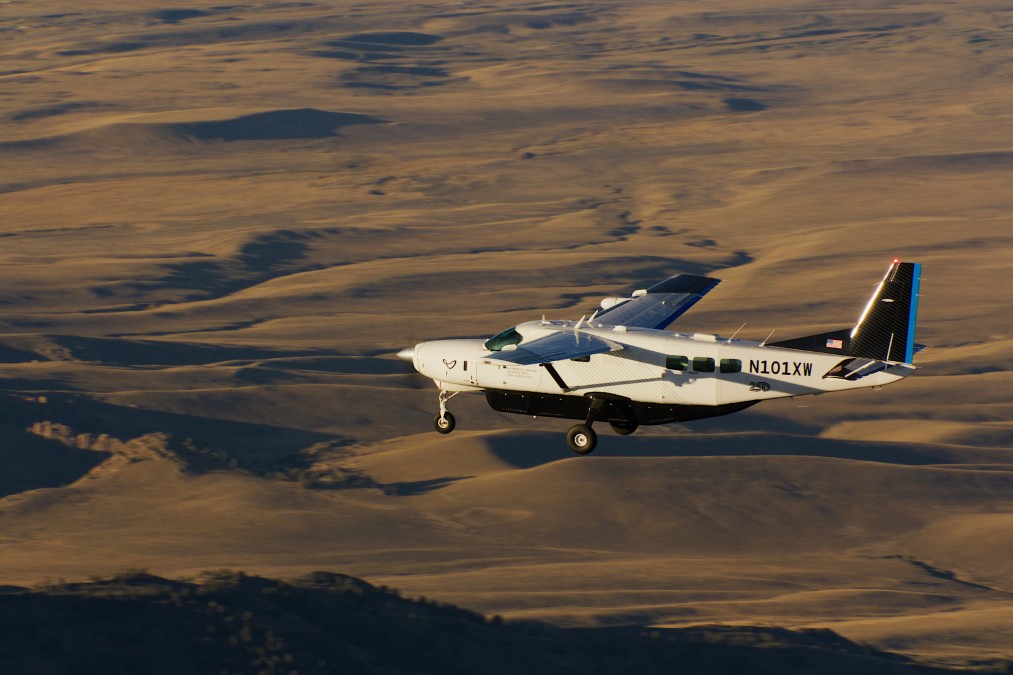
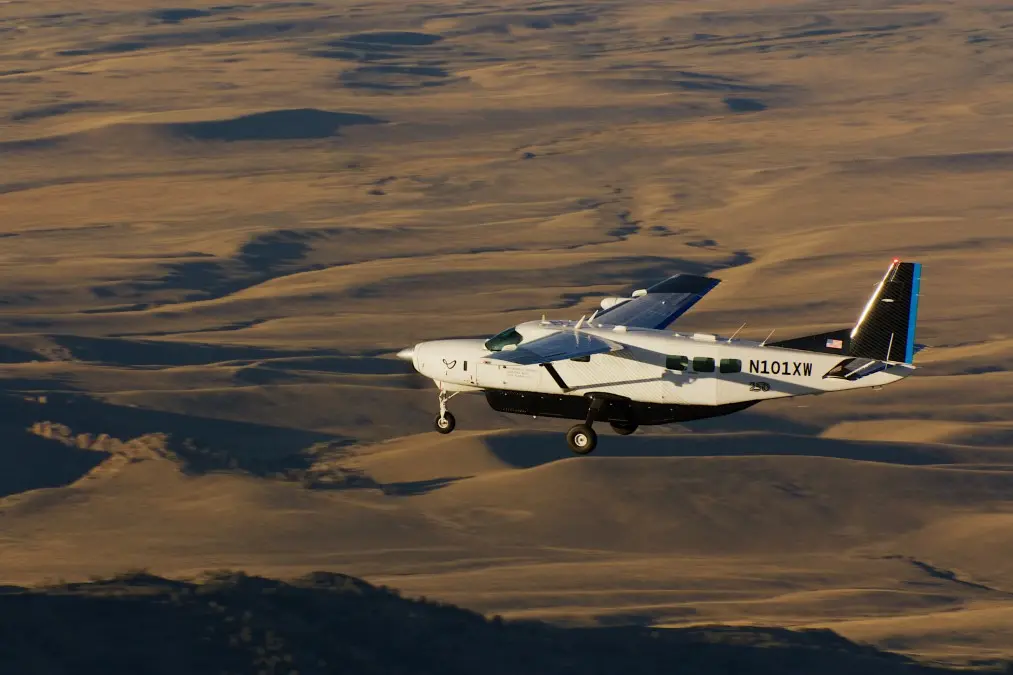
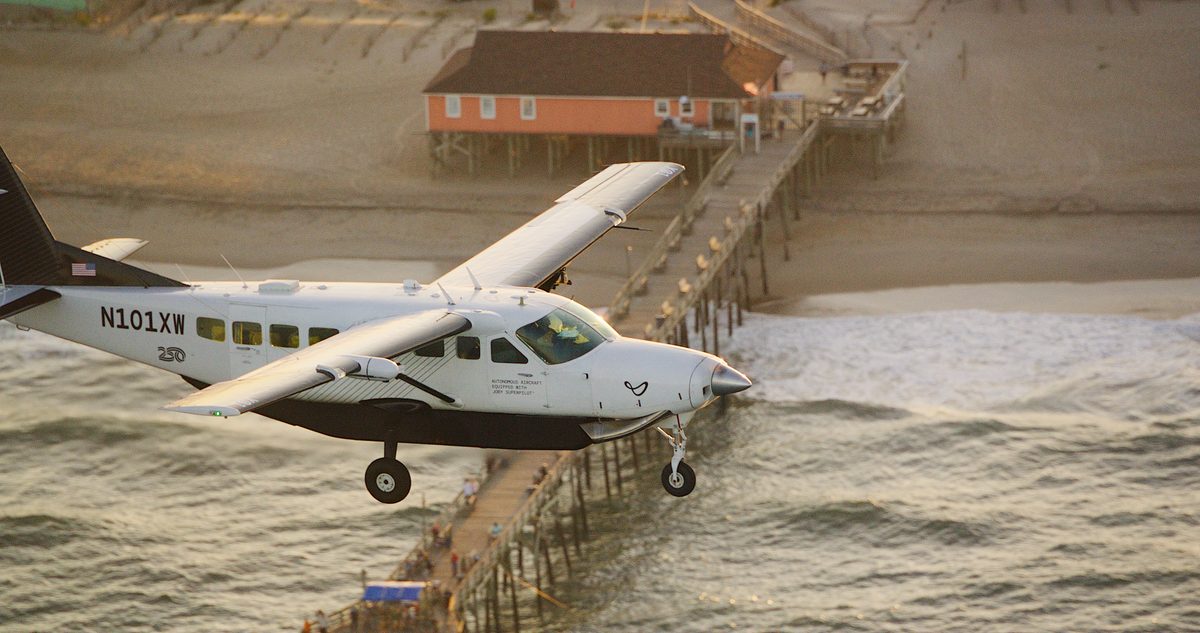
Joby Aviation’s autonomous Cessna 208B Grand Caravan (J208), registered N101XW, flying over Wyoming during its cross-country tour in September 2026.aerotime.aeroJoby Aviation’s autonomous Cessna 208B Grand Caravan (J208) flying over North Carolina’s Outer Banks during its September 2026 coast-to-coast tour. (Credit Joby Aviation)aerotime.aero
What happened
The funding follows a month-long US tour by the J208, a Cessna 208B Grand Caravan fitted with Joby’s autonomous flight system.
The detail
After departing Concord, California, on September 8, 2026, the aircraft flew to North Carolina’s Outer Banks in what Joby described as the first fully autonomous flight across the US, with no control inputs from its onboard safety pilot.
Local impactFollow how this story develops and what it means for you.
Source: US Air Force backs Joby’s autonomous cargo aircraft with $37M commitment (aerotime.aero) · Nov 4, 2026
What to do next
Read more about this topic on LYVGO.
See related stories from the same desk.
Follow this developing story for the latest updates.
Comments
United's newest international destination: Chihuahua, Mexico | LYVGO






























Comments