





























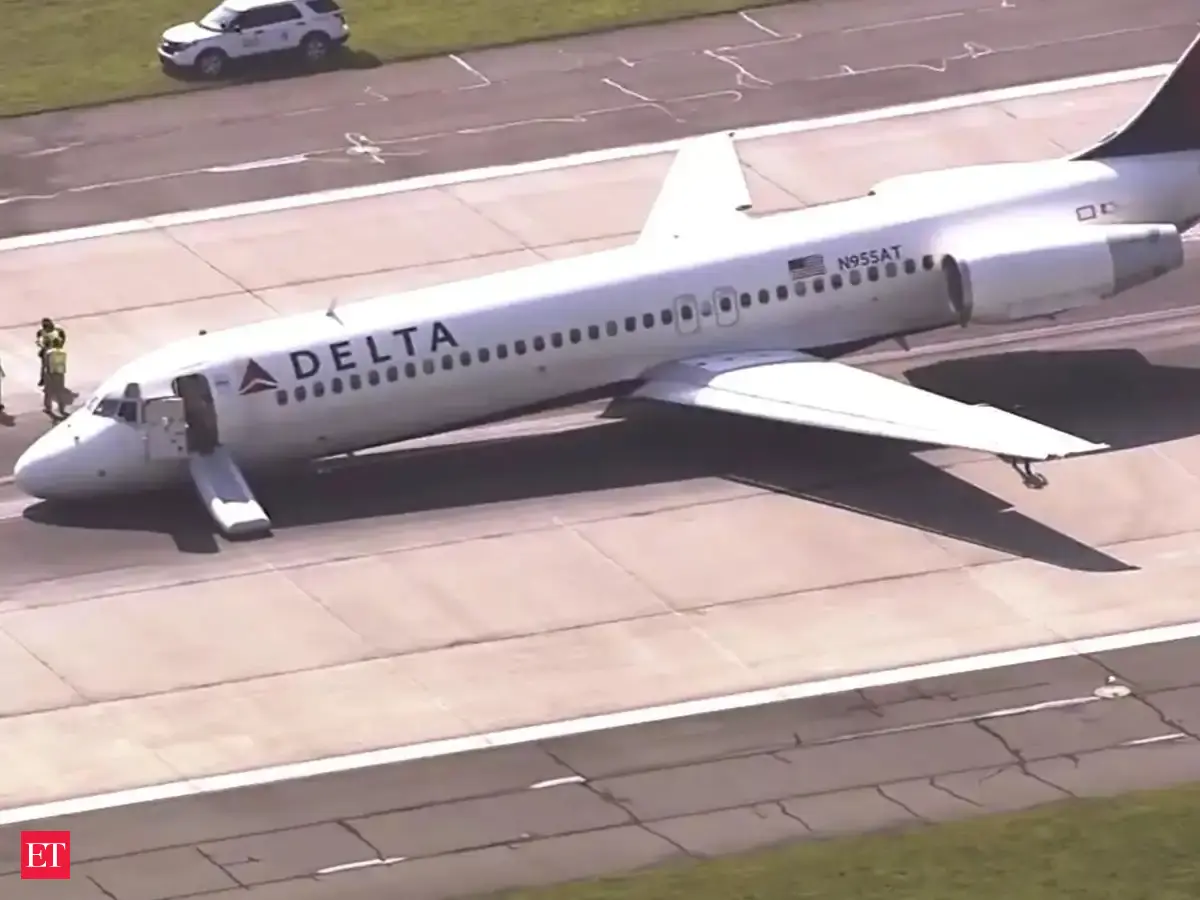
































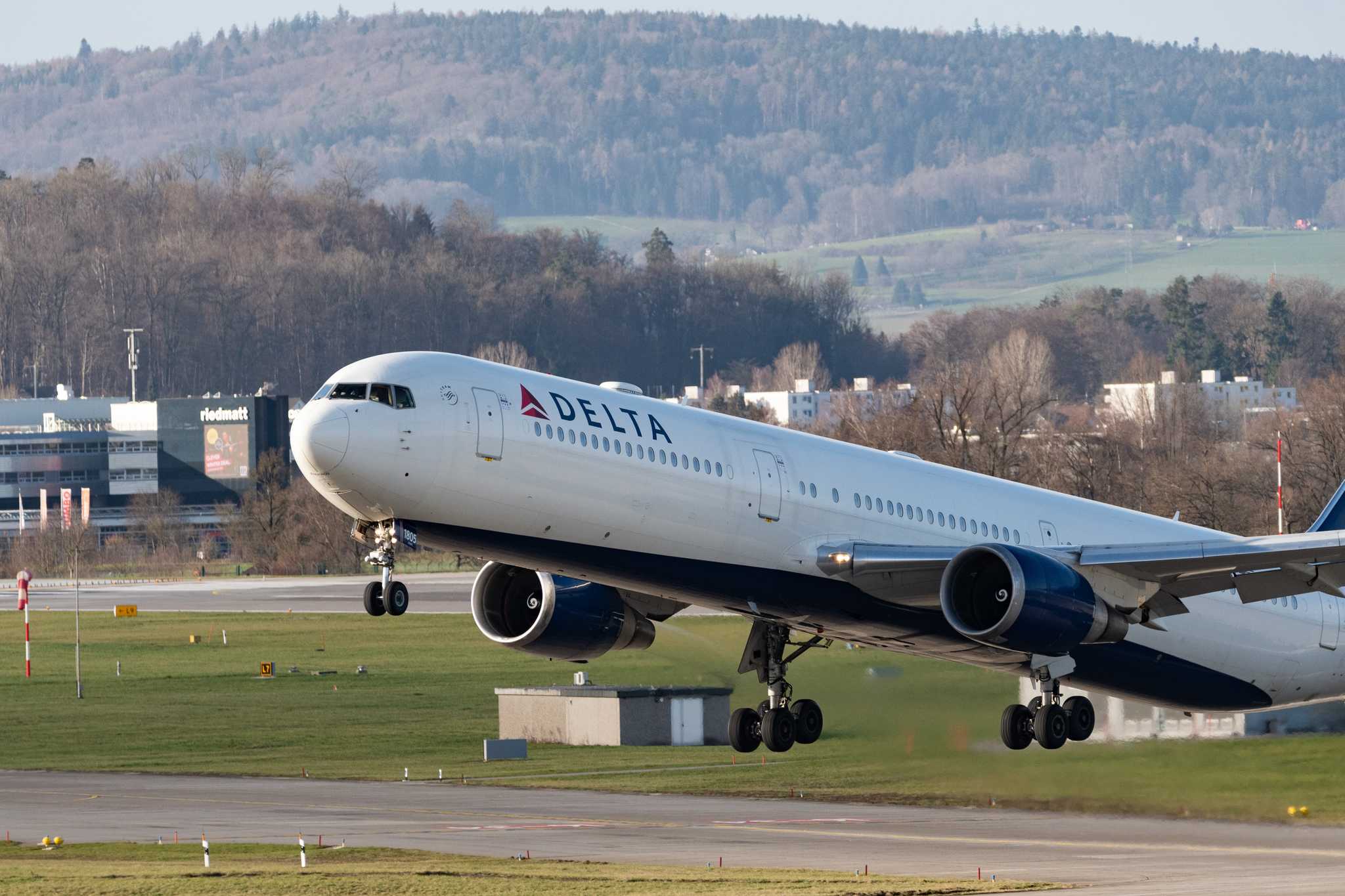
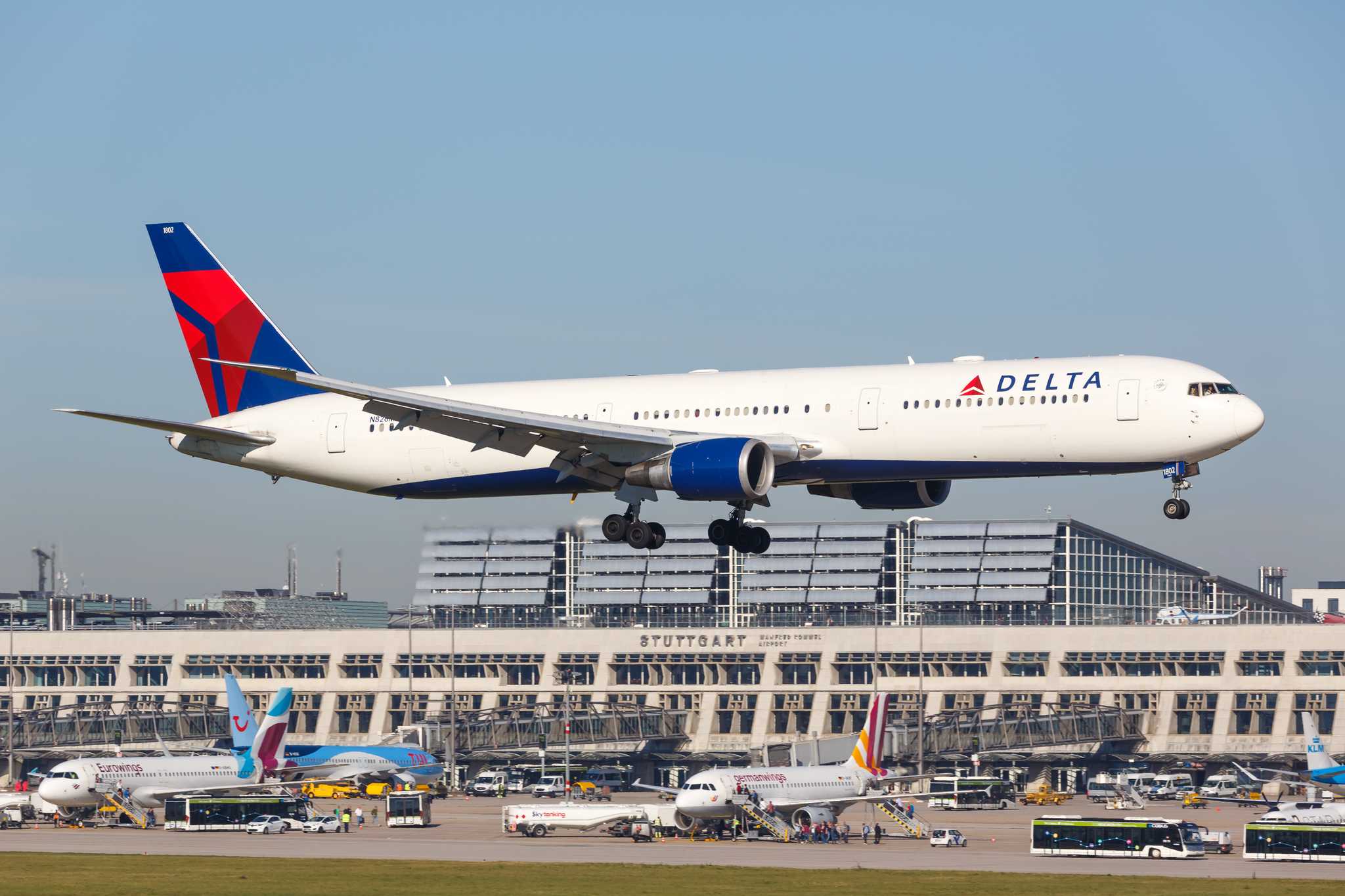
The Boeing 767 is increasingly being asked to do something it was not originally expected to do at the end of its passenger career: spend its final years flying short, high-demand sectors where its size matters more than its long-range capability. Delta Air Lines has used the Boeing 767-400ER on domestic routes such as Atlanta (ATL) to Las Vegas (LAS) and New York JFK to San Diego (SAN), while Icelandair has scheduled Boeing 767-300ER aircraft on European sectors including Reykjavík (KEF) to Stockholm (ARN). These deployments are less about nostalgia than about extracting useful revenue from aircraft that still have substantial cabin capacity.
For airlines with aging widebody fleets, a four-hour flight can be an attractive final assignment. A 767 can move substantially more passengers per departure than a typical narrowbody while retaining premium seating and, in some configurations, lie-flat beds. That makes it useful when demand is concentrated at particular times, airport slots are scarce, or replacing the aircraft with several smaller jets would weaken the schedule. With Icelandair's passenger 767 operations scheduled to end in January 2027, the aircraft is entering a distinct late-life phase.
What happened
AeroRoutes reported that a daily 767-400ER returned to the route on March 29, 2025, after the aircraft had last served the city pair in December 2023. The route is only about four hours in scheduled flight time, making the aircraft's long-range capability largely irrelevant to the mission.
The detail
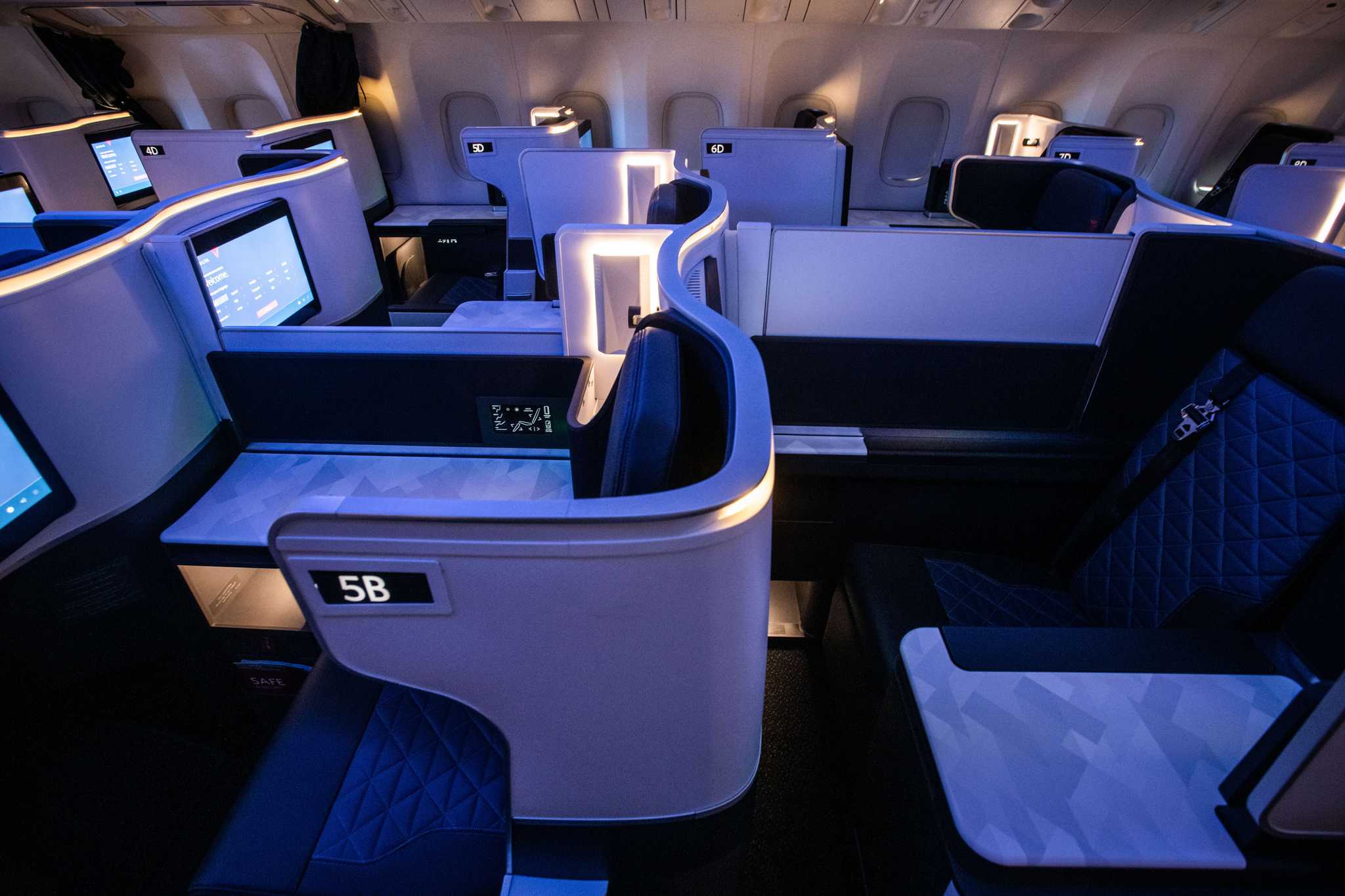
Delta One seats convert into 77-inch (195. 6 centimeters) fully flat beds, giving the aircraft a premium product normally associated with international flying. That combination makes a widebody particularly useful on a leisure-heavy route where overall volume can be high, while some customers are willing to pay considerably more for a better seat. Rather than operating a smaller aircraft at every departure, Delta can concentrate more seats on selected frequencies and use the same airframe elsewhere during periods of stronger international demand.
The wider picture
The result is a form of capacity management in which the 767's physical size becomes its most valuable remaining attribute. Its range, which once made it a pioneering transatlantic aircraft, matters far less when the commercial objective is simply moving more passengers during a busy period.
What comes next
Delta's domestic 767 strategy is not based solely on filling the rear cabin. As the previous table shows, its 767-400ER gives the airline a sizable premium inventory. Delta markets Delta One on selected long-haul domestic routes, where customers can buy a bed even without crossing an ocean. The seat is also extra wide and contains the basics one would expect in business class, such as personal entertainment, Wi-Fi, USB power, and electrical outlets.
Additional context
New York JFK to San Diego provides another example. AeroRoutes reported a daily 767-400ER rotation from March 9 through March 28, 2025. The aircraft was used for only a limited period, but the assignment demonstrates how Delta can temporarily add a premium-heavy widebody to a domestic market without permanently restructuring its fleet. This is useful when the airline needs to respond to seasonal demand or protect premium availability during schedule transitions. A widebody can supply more high-value seats than a conventional narrowbody while preserving the rest of the network structure. For a carrier with a large corporate customer base, the ability to offer lie-flat inventory on a domestic route can also support loyalty and corporate contracts, even when the actual flight time is relatively short.
Analysis
The tradeoff is cost. A 767 generally consumes more fuel and requires more airport resources than a smaller aircraft carrying fewer people. The deployment therefore makes the most sense when the additional seats and premium revenue compensate for those costs. An aging aircraft can be especially attractive if it is already committed to the fleet, because keeping it productive can be preferable to accepting idle time while waiting for retirement.
Reactions
Icelandair's use of the 767 provides a different version of the same late-life calculation. The carrier has scheduled 767-300ER service on Reykjavík (KEF) to Stockholm (ARN) twice weekly through December 13, 2026. The route is considerably shorter than the transatlantic missions Icelandair's widebodies are often associated with, yet the aircraft remains useful when the carrier needs additional capacity on a particular European market.
Developments
The Stockholm operation is only one part of the aircraft's final schedule. Icelandair's filings show 767-300ERs on several European and North American routes during 2026, including Boston, Copenhagen, London Heathrow, and Paris. The mix shows that the aircraft is not being confined exclusively to short sectors. Instead, Icelandair is assigning the remaining airframes wherever their capacity and availability fit the network. The carrier's timeline gives those deployments a clearer context. AeroRoutes reported that Icelandair's schedule continued to list passenger 767 operations through January 5, 2027, with the final scheduled arrival in Reykjavík on January 6. The airline is therefore operating within a defined retirement window rather than making a long-term commitment to the type.
Developments · 2
That changes fleet-planning economics. A carrier does not need to justify a new route structure around an aircraft that will disappear shortly afterward. Instead, it can use the remaining airframes opportunistically, assigning them to markets where their capacity is useful until replacement aircraft and schedules are ready. Short European sectors can consequently become part of a controlled wind-down rather than evidence of a renewed strategic role for the 767.
Developments · 3
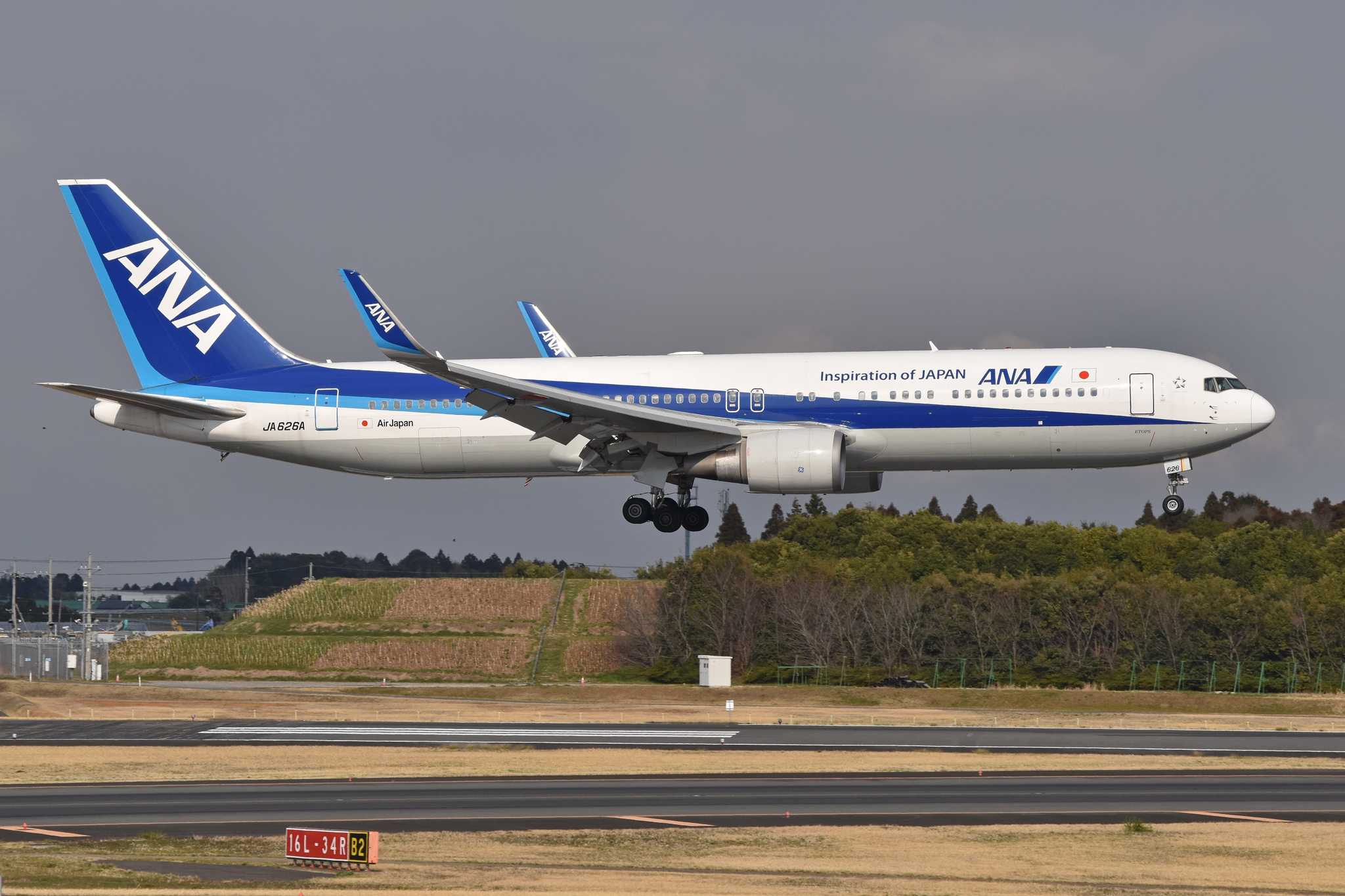
Using widebodies on short flights is not new. Japan has provided one of the clearest examples because intense demand among major cities has historically collided with constrained airport capacity. Airlines including ANA and Japan Airlines have operated 767s on domestic routes, using the aircraft's cabin volume to move large numbers of passengers within schedules shaped by limited slots. In particular, the Tokyo Haneda (HND) to Sapporo (CTS) route sees up to ten daily 767 flights, offering nearly 78,000 seats in a single month.
Developments · 4
ANA's current domestic 767-300 information shows how differently the aircraft can be configured for this environment. One domestic version carries 270 passengers, including ten Premium Class seats and 260 in economy. Another 767-300 configuration carries 202 passengers, with 35 Premium Class seats and 167 economy seats. JAL has likewise operated domestically configured 767-300ERs, including a Haneda-Itami version with five First Class seats, 42 Class J seats, and 205 economy seats.
Developments · 5
The Japanese model isn't meant to be copied by every airline. Rather, it demonstrates why aircraft size can matter more than range on a short sector. If airport capacity limits the number of departures available, increasing seats per departure can be more valuable than flying a smaller aircraft more frequently. A widebody can also give an airline room to create multiple fare products on one flight, increasing the ways to monetize a high-demand market. Modern narrowbodies have eroded some of that advantage. The Boeing 737 MAX and Airbus A321 families can carry large passenger loads while using less fuel than older widebodies. Yet the 767 retains one useful characteristic: its twin-aisle cabin can accommodate a substantial passenger count while offering a more spacious boarding and service environment. That can still matter where demand is strong enough to support it.
Developments · 6
Late-life 767 deployments increasingly resemble targeted capacity tools rather than core fleet roles. Delta can use its 767-400ERs when a domestic market needs more seats or premium inventory, while Icelandair can place its 767-300ERs on selected routes until the type leaves passenger service. Neither strategy requires airlines to believe the 767 remains the optimal aircraft for the next decade.
Developments · 7
Aircraft age is central to that calculation. The 767 entered commercial service in 1982, and today's passenger examples reflect an earlier generation of widebody design. Newer aircraft generally offer better fuel efficiency, improved reliability, and more flexible economics. As replacement fleets grow, the opportunity cost of keeping an older widebody in service becomes harder to justify. Yet retirement is not instantaneous. An aircraft that remains airworthy, paid for, crewed, and maintained can still generate useful revenue. A short domestic sector may actually make that asset easier to exploit because the mission requires little of the aircraft's remaining range capability. The airline can focus on what the jet still does well: carrying a lot of people and providing premium seating.
Developments · 8
Delta's 767-400ER is particularly suited to this role because its cabin includes both a substantial economy section and a meaningful lie-flat premium cabin. Icelandair's 767-300ERs have a different configuration and a more limited future, but their continued deployment shows the same principle. As retirement approaches, the most valuable route is not necessarily the longest one. It can be the market where every available seat has a strong chance of being useful.
Developments · 9
The 767's final commercial chapter is likely to be defined less by the routes that made the aircraft famous than by the assignments that make its remaining operating life financially useful.
Local impactFollow how this story develops and what it means for you.
Source: The Boeing 767's Final Revenue Trick Is Happening On 4-Hour Domestic Hops (simpleflying.com) · Oct 8, 2026
What to do next
- Read more about this topic on LYVGO.
- See related stories from the same desk.
- Follow this developing story for the latest updates.
Comments