



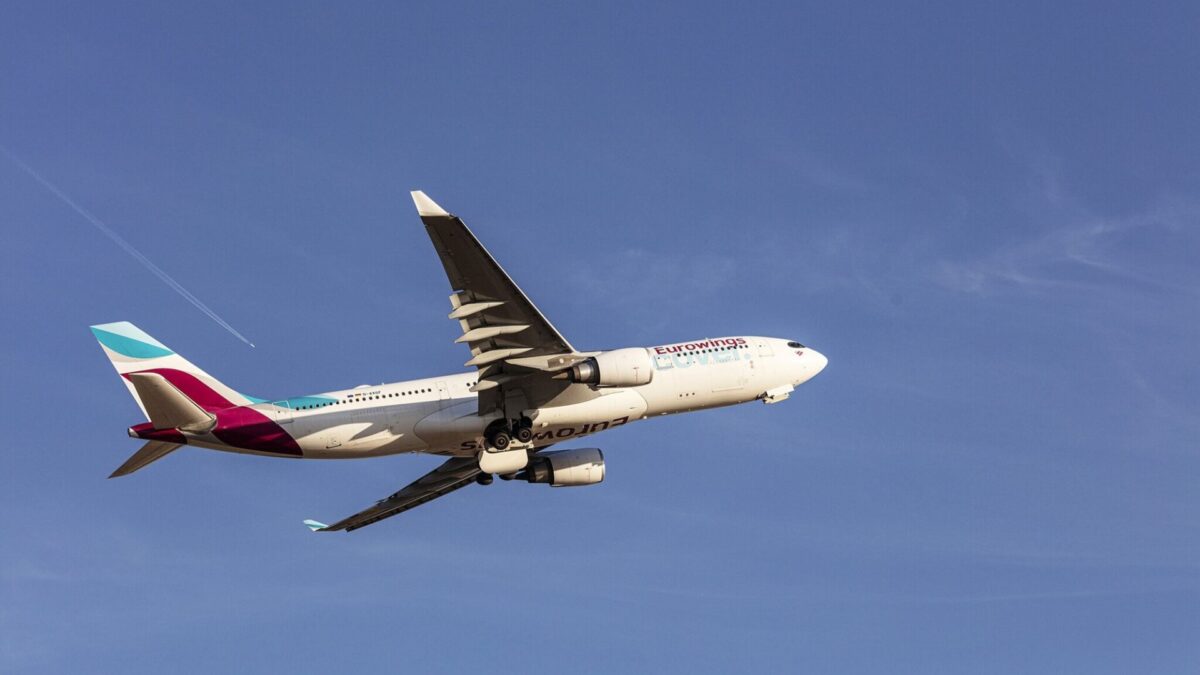











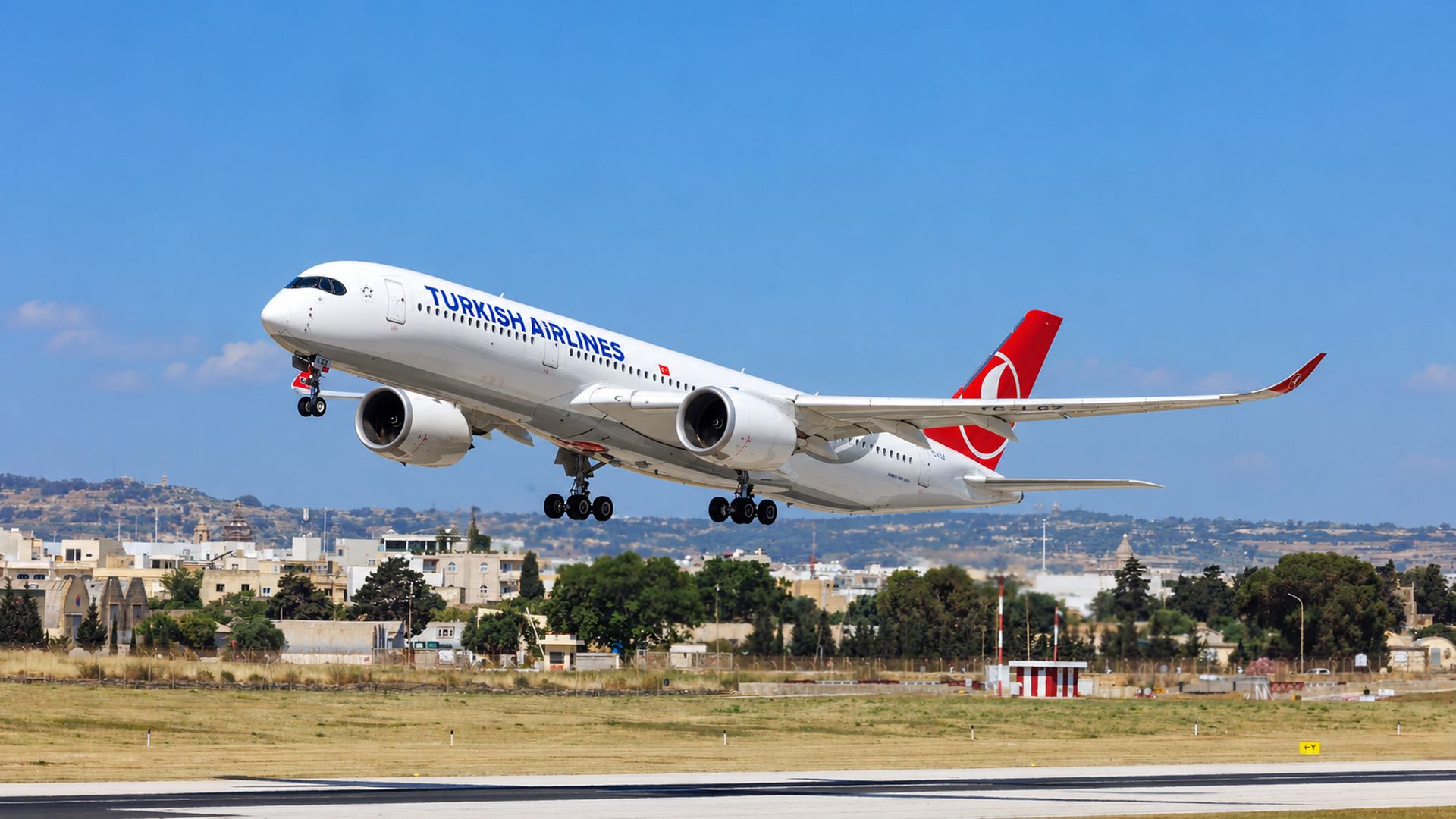




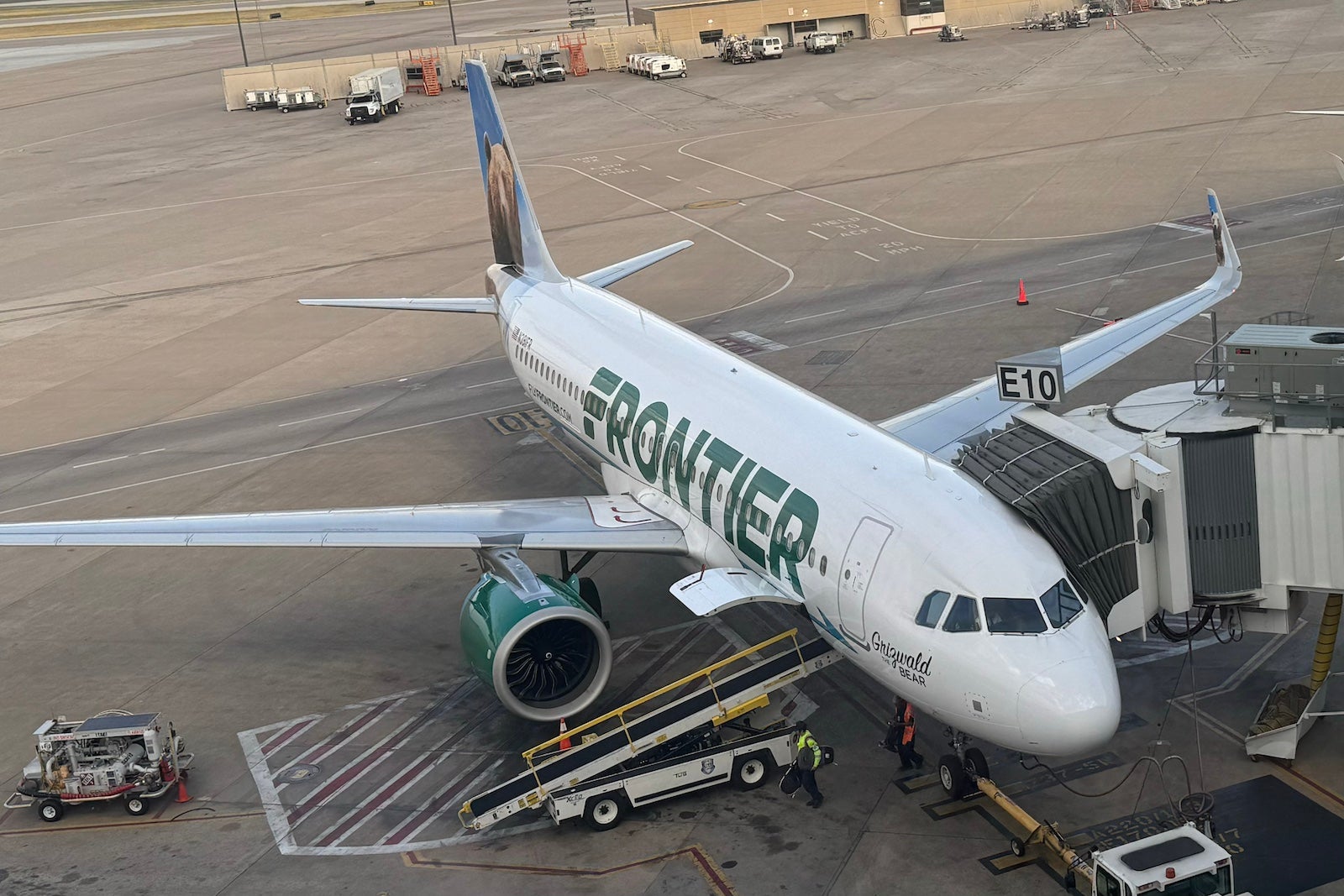






Having been based in Southeast Asia over the last few years, I have flown with the AirAsia group (legally AirAsia Berhad) dozens of times. The AirAsia group includes its subsidiaries AirAsia Cambodia, Thai AirAsia, and Indonesia AirAsia. The group's structure is somewhat complicated and confusing, with further restructuring and renaming in July 2026. AirAsia X, along with Thai AirAsia X, generally operates longer-haul routes mostly with the group's widebody A330s, although they also have A321s in their inventories.
I have mostly flown with AirAsia, AirAsia X, Thai AirAsia, and likely others. The group's subsidiaries are legally separate airlines, with AirAsia operating under the code AK and AirAsia X under the code D7. For the purposes of this review, all airlines of the AirAsia Group will be treated as a single airline. The core AirAsia brand operates from its hub at Terminal 2 of Malaysia's Kuala Lumpur International Airport (KLIA2).
What happened
AirAsia is somewhat remarkable as it is a low-cost airlinebut it receives an international ranking comparable to, and even above, many of the world's mainline carriers. In Skytrax's 2026 review of world airlines, AirAsia ranked as the best low-cost airline and the 26th-best overall airline in the world.
The detail
I have no issue with AirAsia as a low-cost and regional airline, but placing it alongside the world's mainline carriers seems a bit far-fetched. The standard economy class fare does not include checked baggage, and carry-on baggage is limited to just 15 lbs (7kg).
The wider picture
While US-based carriers may charge more for checked baggage, they typically have no weight limit for carry-on baggage. In the US, carry-on baggage is typically defined by size, not weight. Carry-on trolley suitcases are weighed before emigration; backpacks are generally waived through. Upgrading the fare to include checked baggage is generally best done with AirAsia's bundle option, which includes a complimentary meal and seat selection. AirAsia meals are reasonably decent for a low-cost carrier.
What comes next
AirAsia is based at Kuala Lumpur's (KL) Terminal 2. Full-service airlines, Malaysia Airlines, and long-haul flights operate through Terminal 1. The two terminals are connected by airport transportation, but you can't walk between them. Terminal 2 connects KL with domestic airports across Malaysia and with international destinations across Southeast Asia and beyond.
Additional context
Terminal 2 is unusual because it includes a reasonably large shopping mall adjacent to the building, even though the airport is far outside the city. This lets passengers dine affordably at a range of restaurants and shop before checking in. In many airports I have flown through in the world, I have never seen anything quite like it. The mall shops aren't typical airport shops; they are regular shops, including a supermarket.
Analysis
The taxi pick-up and drop-off are on the mall side, with passengers walking through the mall to reach the terminal. Arriving passengers also pass through the mall to reach transportation from the airport. The express airport train to central Kuala Lumpur is accessed via the mall. AirAsia check-in is generally self-service, with passengers printing their own baggage tags and dropping off their baggage themselves.
Reactions
I have flown with AirAsia on domestic Malaysia routes and on routes to Indonesia and Vietnam. Between Vietnam and Bangkok, I have flown with its sister airline, Thai AirAsia. I have also flown domestic Thai AirAsia routes within Thailand. Thai flights depart from Bangkok Don Mueang International Airport (DMK), the secondary international airport that mostly serves low-cost and regional flights.
Developments
Bangkok's primary international airport is Suvarnabhumi Airport (BKK). In my experience, Don Mueang works well as a gateway to Bangkok and a regional hub. The airport is connected to Bangkok's metro system and is roughly as easy to reach as Suvarnabhumi, located on the other side of the city.
Developments · 2
In many ways, Don Mueang functions similarly to KL's Terminal 2 as a low-cost, primarily AirAsia group hub for the country and region. There are some differences. Because Don Mueang is in an urban area, plenty of low-cost accommodation options are located next to the airport, unlike KL. Check-in counters are also staffed, unlike the self-check-in kiosks in KL's Terminal 2.
Developments · 3
Booking AirAsia fares is seamless through its AirAsia Move app. The app includes the various AirAsia flights and options, as well as flights from a range of other airlines in the region, like VietJet and Singapore Airlines. Personally, I would choose AirAsia flights over VietJet whenever possible. My VietJet flights have been repeatedly delayed, including by a full day, but never for AirAsia.
Developments · 4
VietJet's check-in facilities at Ho Chi Minh International Airport (Saigon) are also frequently terrible, with long queues and wait times, though this can be a matter of luck. Vietnam is in the process of building its new Long Thanh International Airport to serve as the primary international gateway, which is expected to significantly improve the situation. The existing Tan Son Nhat International Airport will remain open for domestic and some regional international flights.
Developments · 5
Southeast Asia has some other low-cost options, like Indonesia's Citilink and Lion Air, Singapore's Scoot, and even India's IndiGo (not technically Southeast Asia but serving many destinations). All of these low-cost Asian airlines are fine in my experience, and I have flown them without complaint. Low-cost airlines in the region typically operate A320 family aircraft instead of Boeing 737 aircraft, with some exceptions, such as Thailand's modest Nok Air low-cost airline.
Developments · 6
According to Planespotters. net, the AirAsia group fleet totals 239 aircraft, all Airbus. AirAsia's website currently puts the figure at 244 aircraft. Planespotters. net's breakdown includes 196 A320s, 20 A321s, and 23 widebody A330s. Thai AirAsia X operates A330-300s with A330-900s on order. AirAsia X operates A330-300s and is taking delivery of new A321neos. The core Malaysia-based AirAsia brand operates around 104 aircraft, Thai AirAsia operates around 62, and most of the rest are operated by Indonesia AirAsia and Philippines AirAsia, with around 23 aircraft each.
Developments · 7
The core AirAsia and Thai AirAsia airlines only operate narrowbody A320s and A321s. The AirAsia group is one of the world's fastest-growing airline groups, with around 520 aircraft on firm order and considerably more options. This is among the largest order books by any airline in the world. In 2026, AirAsia made headlines for ordering 150 regional Airbus A220-300s with options for another 150 examples. Deliveries are to commence in 2028.
Developments · 8
AirAsia Group (per AirAsia, Planespotters.
Developments · 9
The group no longer has A320neos on order and is instead ordering the stretched and longer-range A321neo series, including the A321LR and A321XLR subvariants. It has over 300 A321neos on order in total, though the exact number is dynamic as deliveries occur and options are exercised. AirAsia's 2026 A220 announcement says the group intends to phase down its A330 fleet as it transitions towards higher-utilization narrowbody operations.
Developments · 10
AirAsia is expanding rapidly and moving toward a future focused on Airbus A220-300s and A321neos. It is the leading airline connecting Southeast Asia and arguably 'as good as it gets' when it comes to low-cost options. That said, I would personally rank India's low-cost IndiGo as comparable or even better given it generally includes meals and checked luggage. Skytrax's ranking disagrees, giving IndiGo an overall ranking of 61.
Local impactFollow how this story develops and what it means for you.
Source: Is The World's Best Low-Cost Airline Really That Good? My Experience After Dozens Of Flights (simpleflying.com) · Oct 28, 2026
What to do next
- Read more about this topic on LYVGO.
- See related stories from the same desk.
- Follow this developing story for the latest updates.

Comments